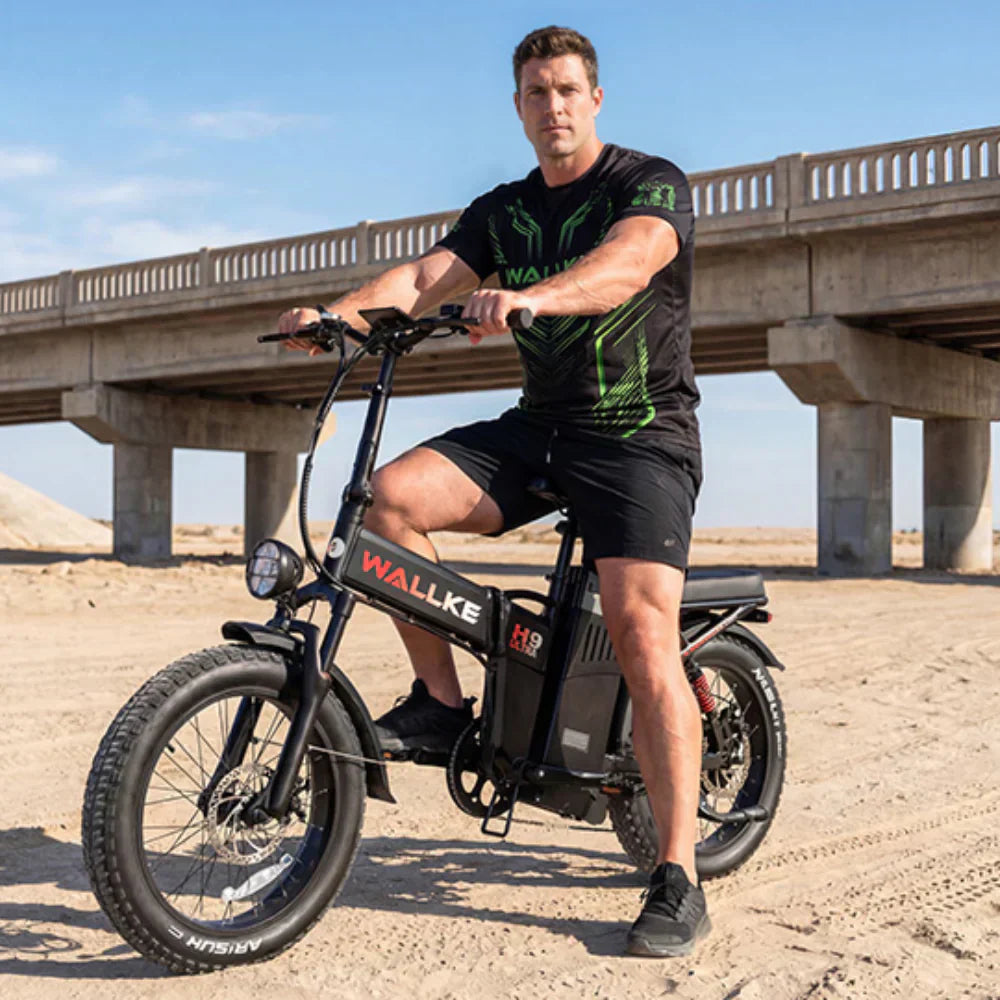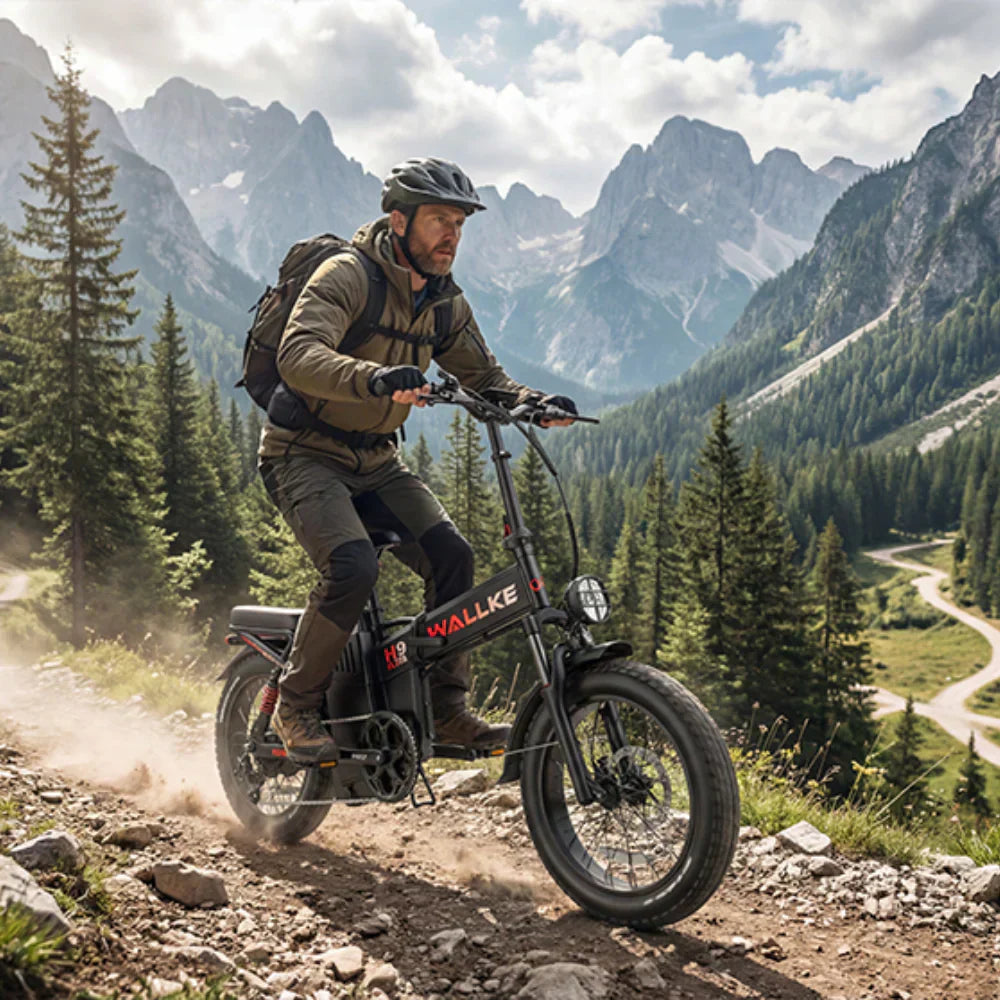

20x4 Fat Tire Stability
Folding Step-Over Frame
Full Suspension Comfort
Long-Range Battery Options


Safety Certified
UL and TUV Safety Certified - UL 2849 / UL 2271
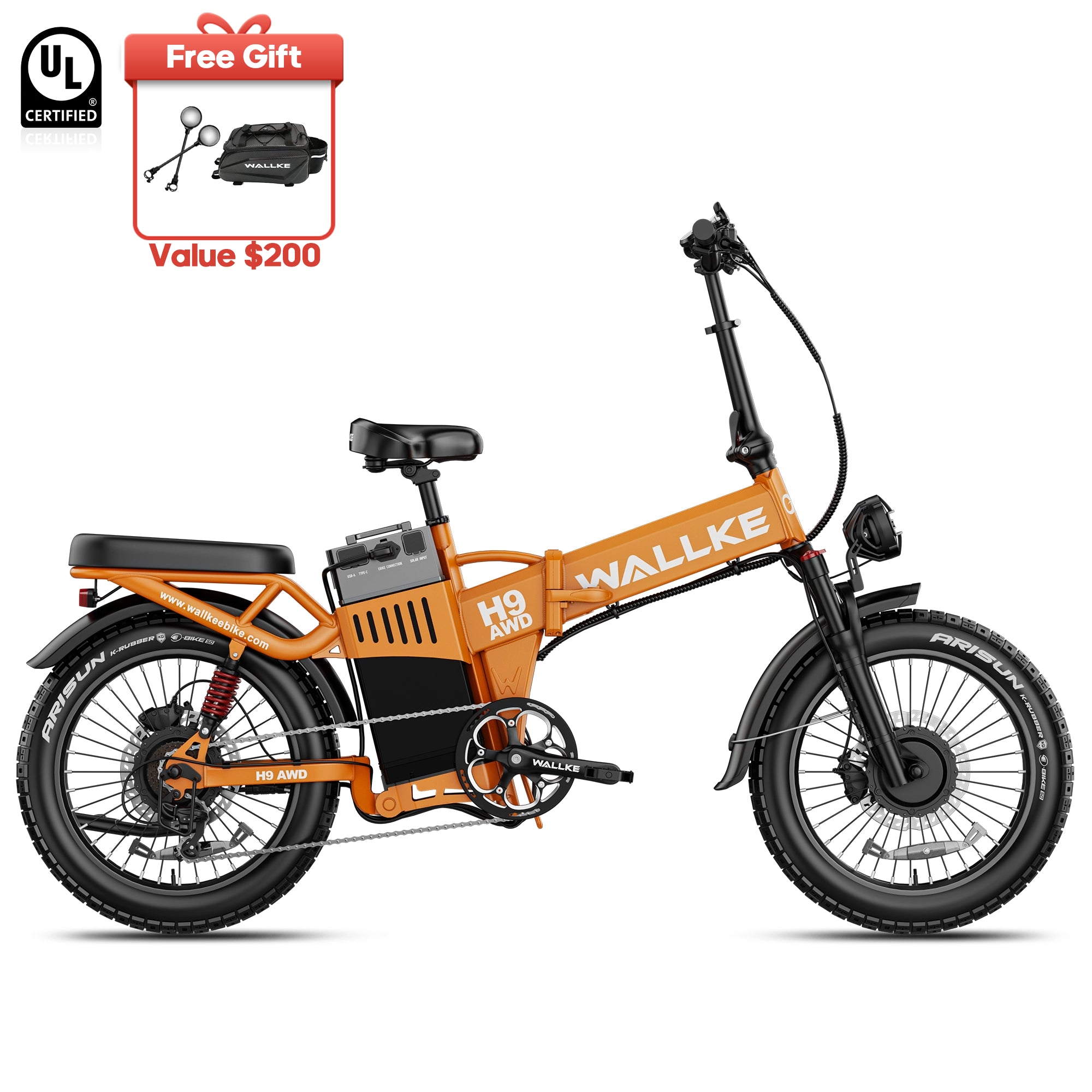


Off-Grid Power Station

Battery

Sensor

Top Speed

Tire Size
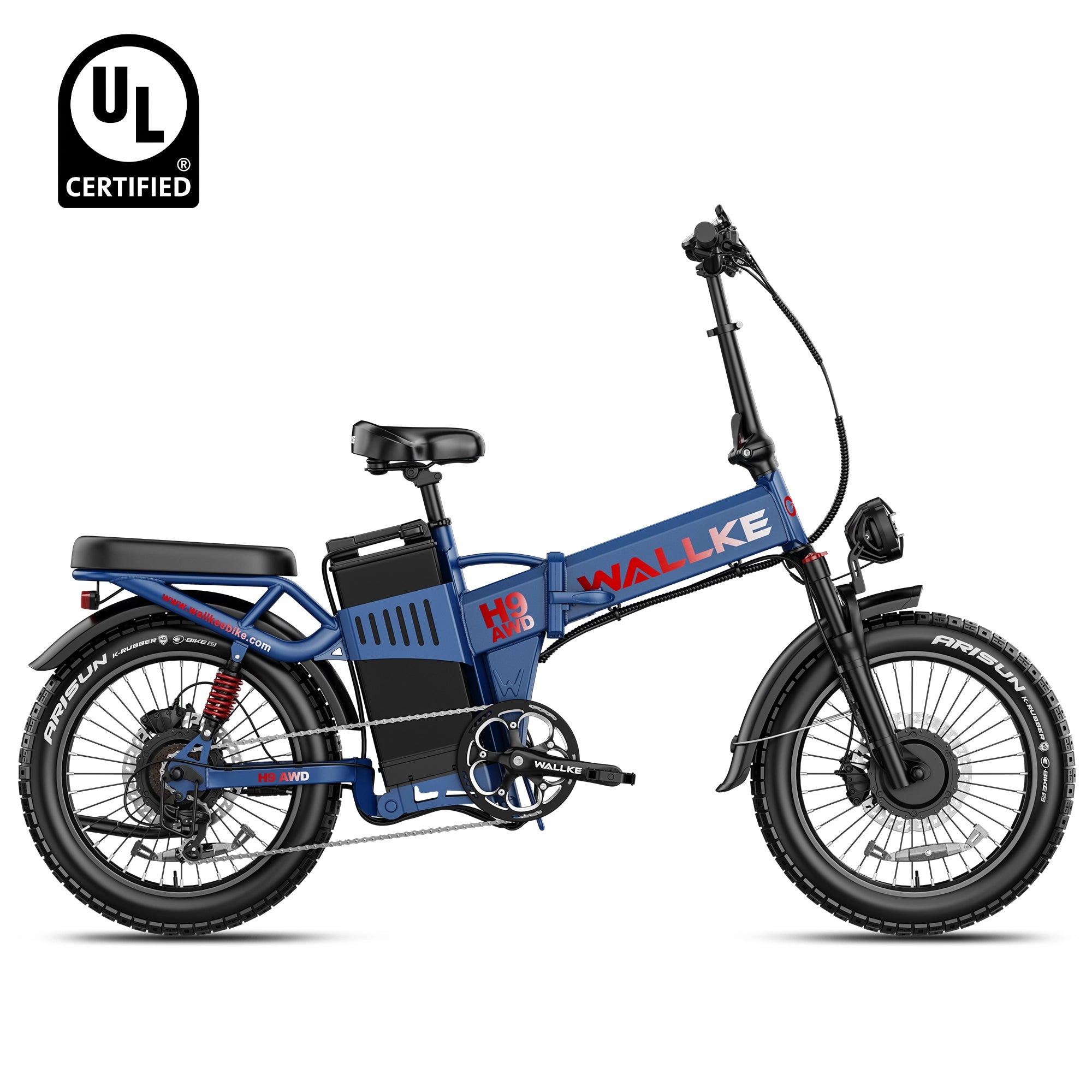
Fold. Power. Endure.
Battery
Top Speed

Peak Motor
Tire Size
What Makes an Ebike Good for Off-Road Riding?
A good off road ebike is not just a regular commuter e-bike with wider tires. For trails, gravel, sand, steep hills, and uneven terrain, riders should compare traction, tire width, suspension, braking power, frame strength, and battery capacity.
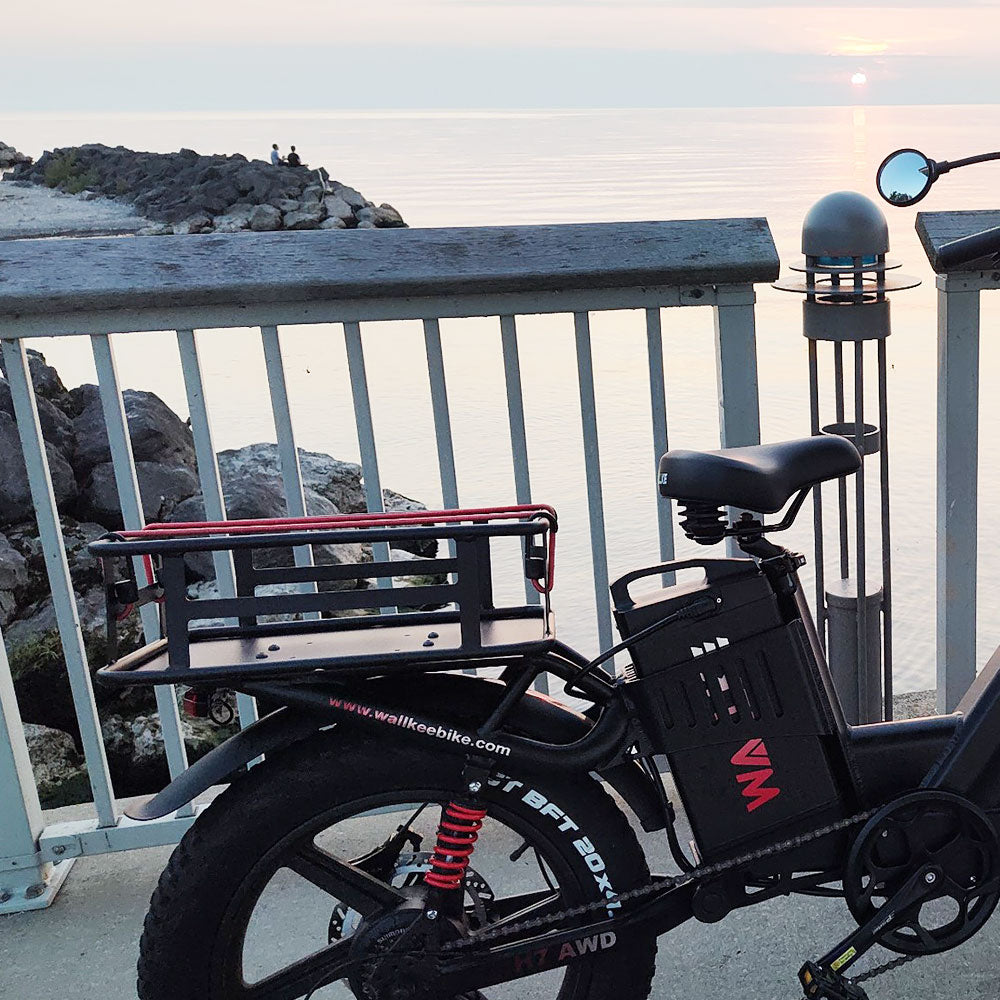
Wallke off road ebikes are built around rugged fat tire stability, high-power motor systems, hydraulic braking, and long-range battery options, making them suitable for riders who want one electric bike for both daily roads and weekend adventure.
AWD vs Single Motor Off Road Ebikes
For light trails, gravel roads, and mixed city riding, a powerful single-motor off road ebike can be enough. For steep hills, loose sand, snow, mud, or heavier riders, an AWD electric bike gives better traction because both wheels can help pull the bike forward.
Choose AWD if your priority is climbing power and control on loose terrain. Choose a torque-sensor single-motor model if you want a smoother, more natural pedaling feel and better efficiency for long mixed-terrain rides.
Folding Off Road Ebikes for SUVs, RVs, and Storage
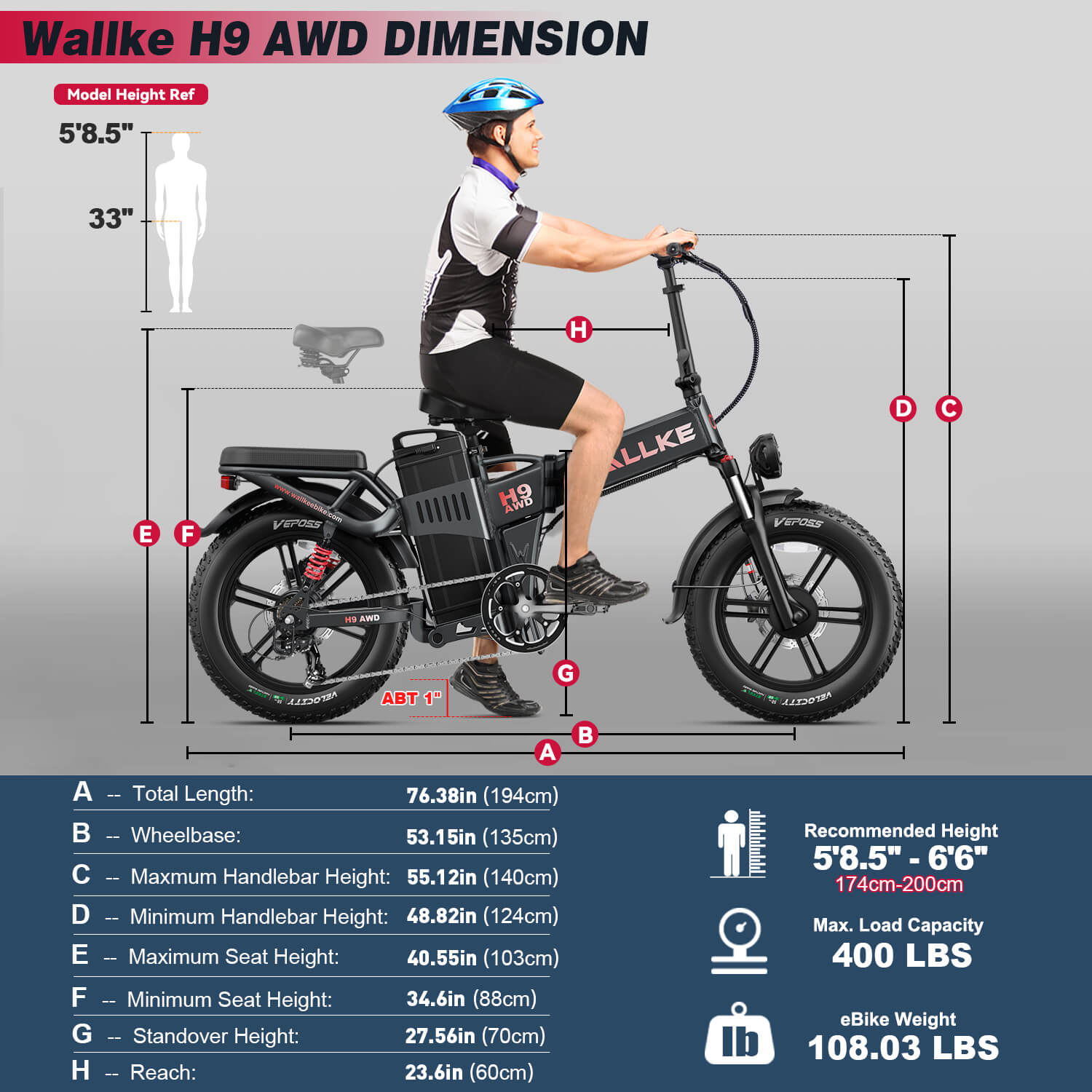
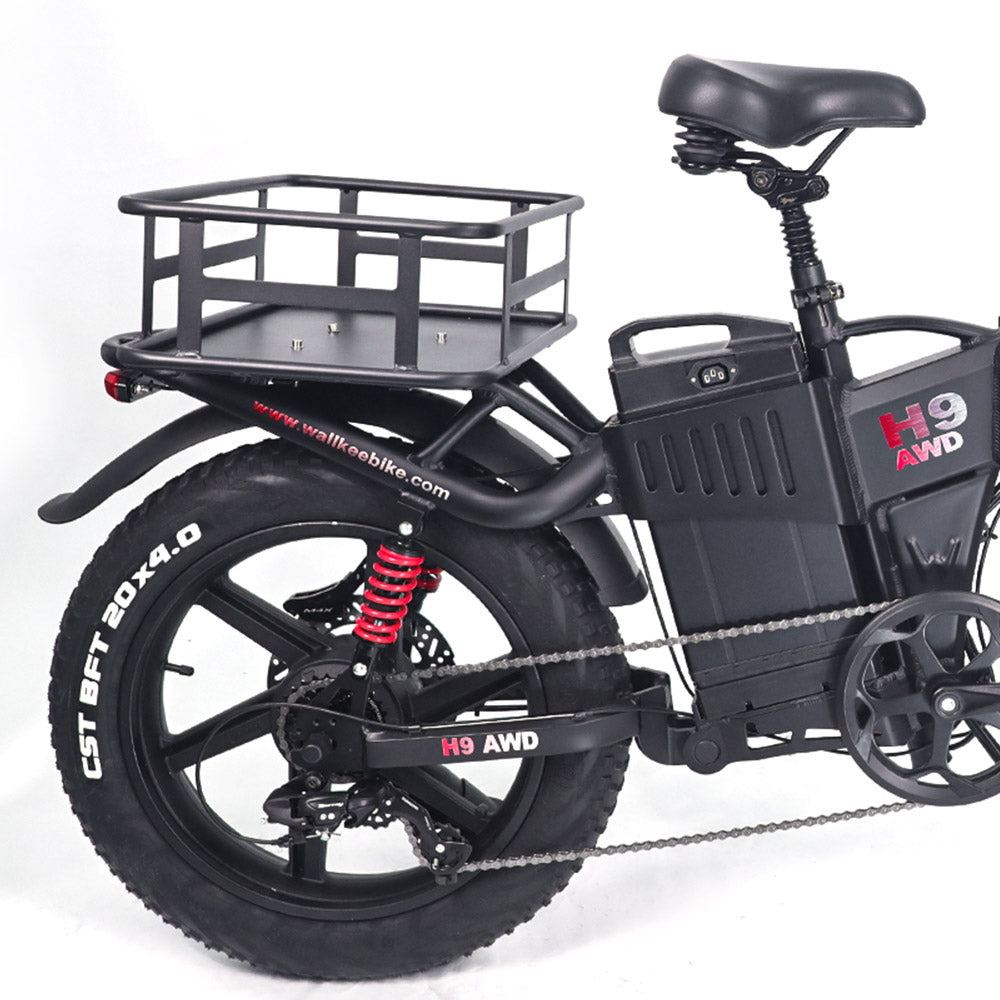
A folding off road ebike is ideal for riders who want rugged trail capability without giving up storage flexibility. The Wallke H9 series uses a folding step-over frame, making it easier to transport in a large SUV, truck bed, RV, or garage.
Compared with a standard folding commuter e-bike, an off-road folding ebike needs stronger frame hardware, wider tires, better braking, and suspension support to handle uneven surfaces.
Best Wallke Off Road Ebike by Terrain
| Terrain | Recommended Setup | Wallke Match |
|---|---|---|
| Gravel Roads | Fat tires + front suspension | H9 Ultra |
| Steep Hills | AWD / dual motor traction | H9 AWD |
| Sand or Snow | 20×4 fat tires + lower tire pressure | H9 AWD |
| Camping / Off-Grid Rides | Long range + power station function | H9 Ultra |
| Hunting Trails | Quiet motor, fat tires, cargo support | H9 Ultra / H9 AWD |
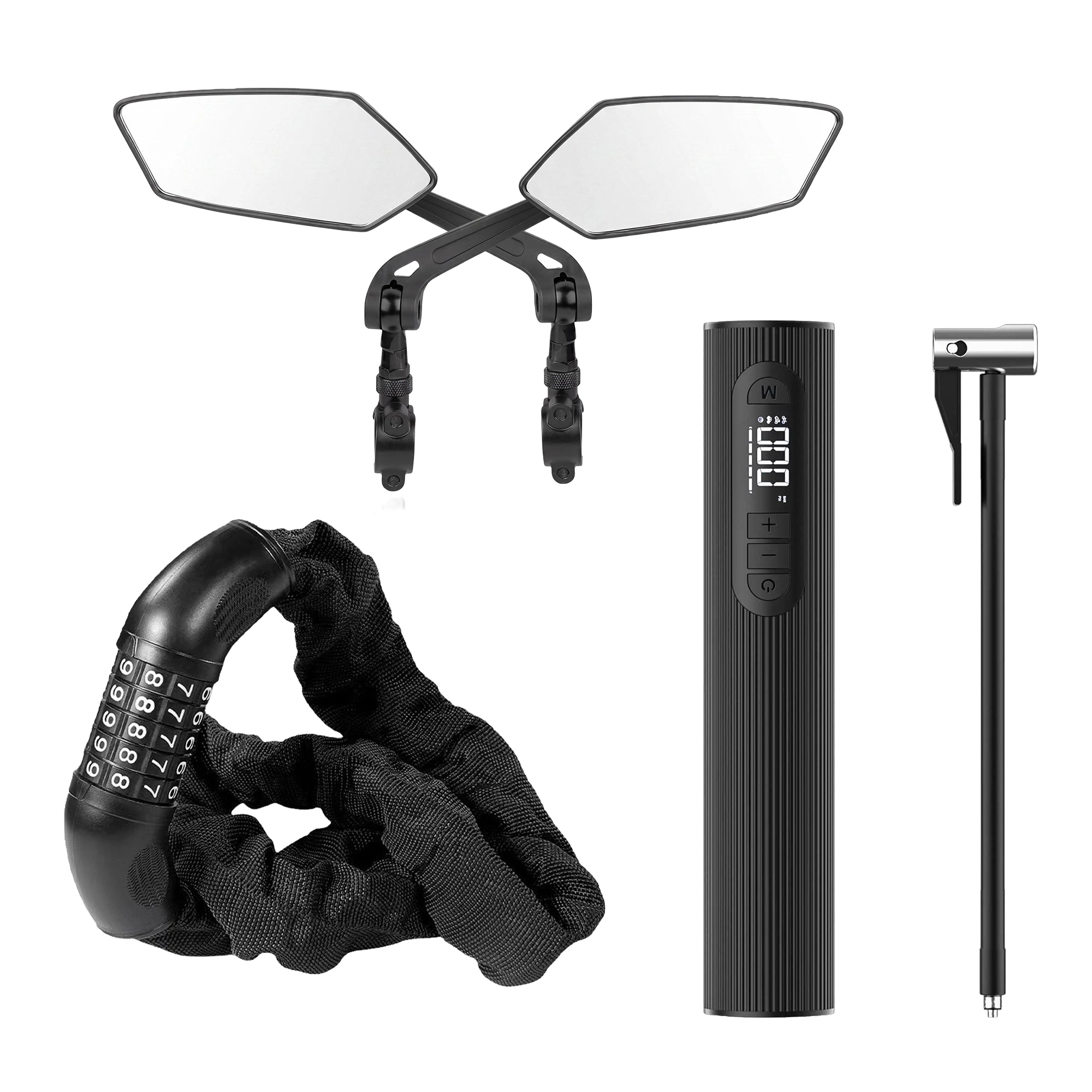
Bundle & Save Big




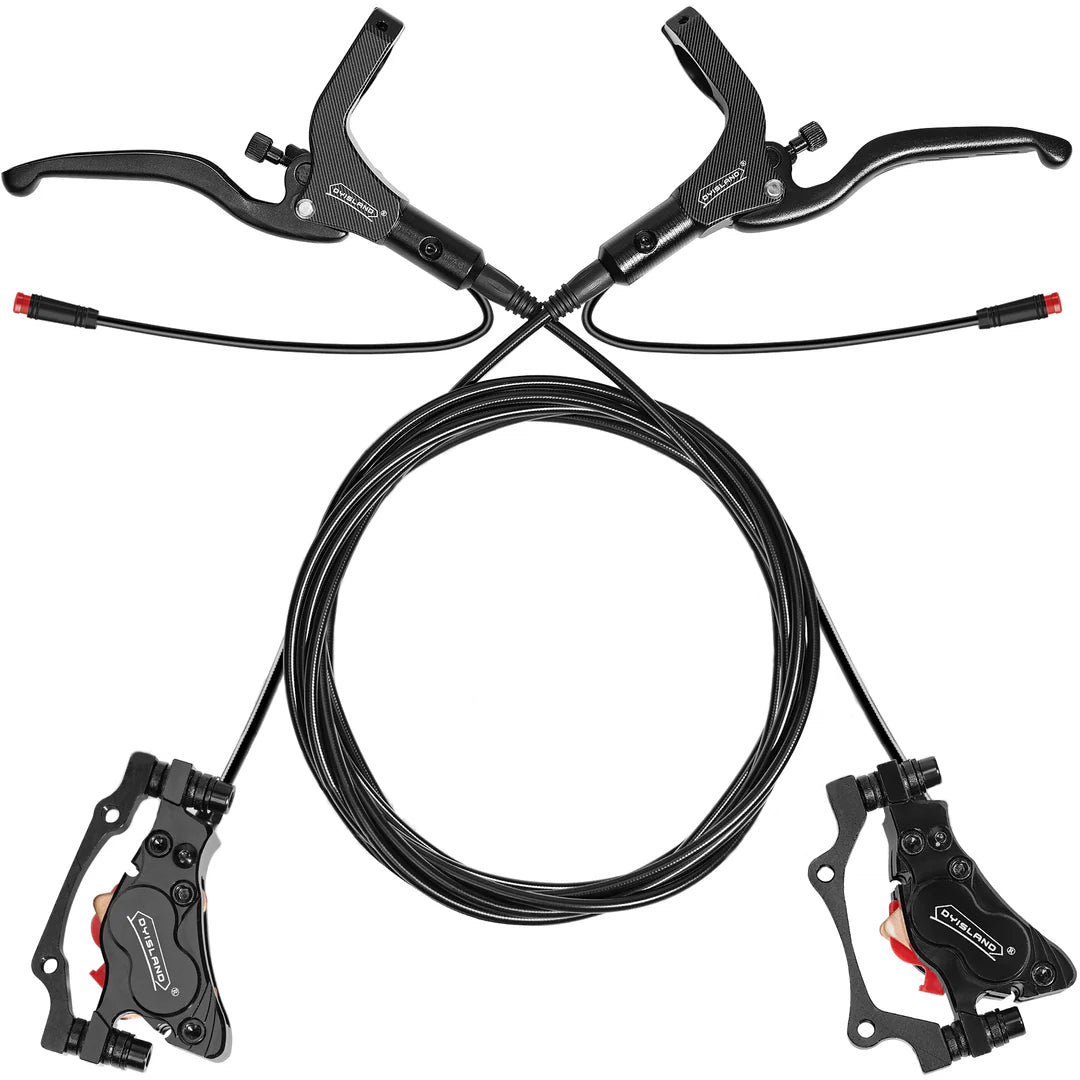

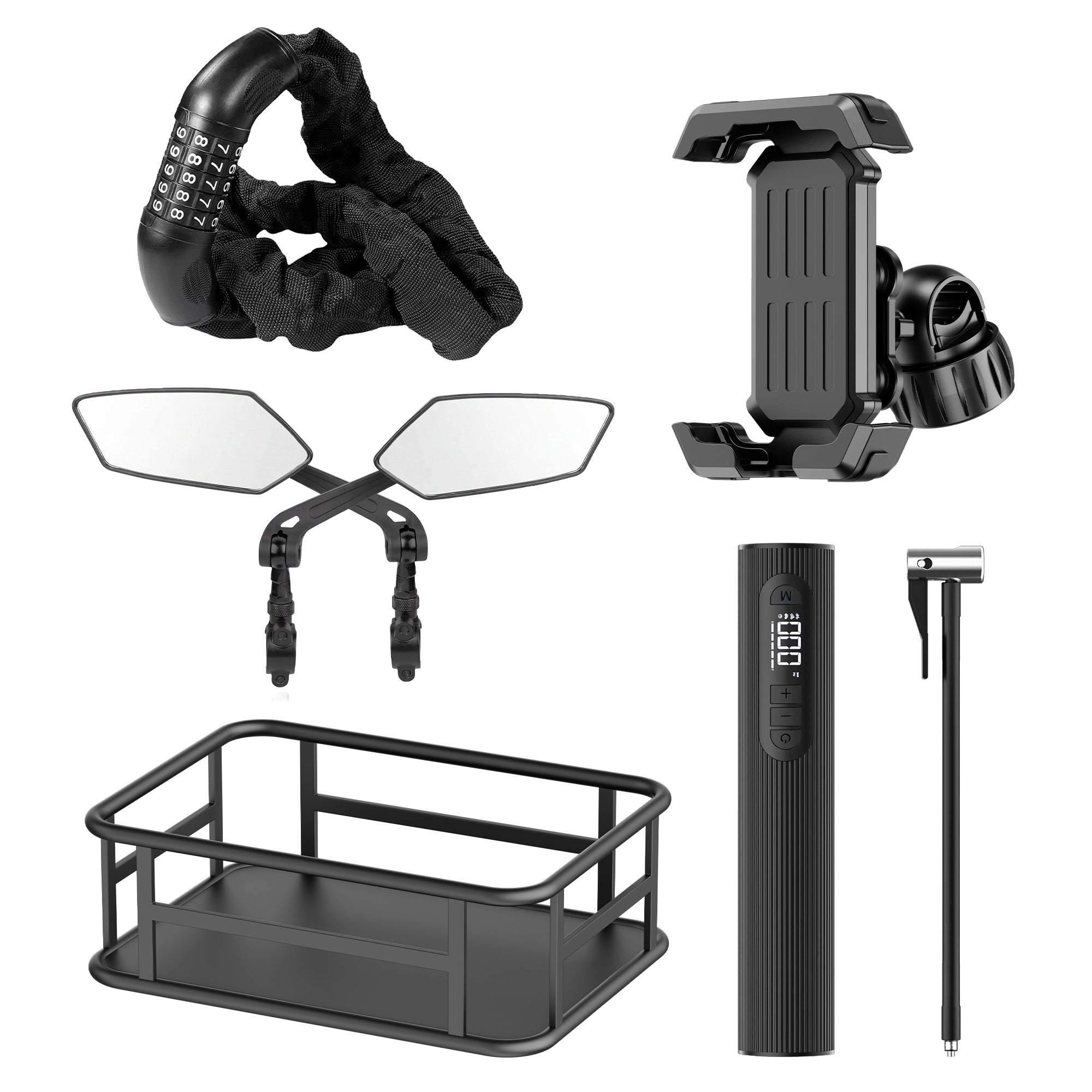
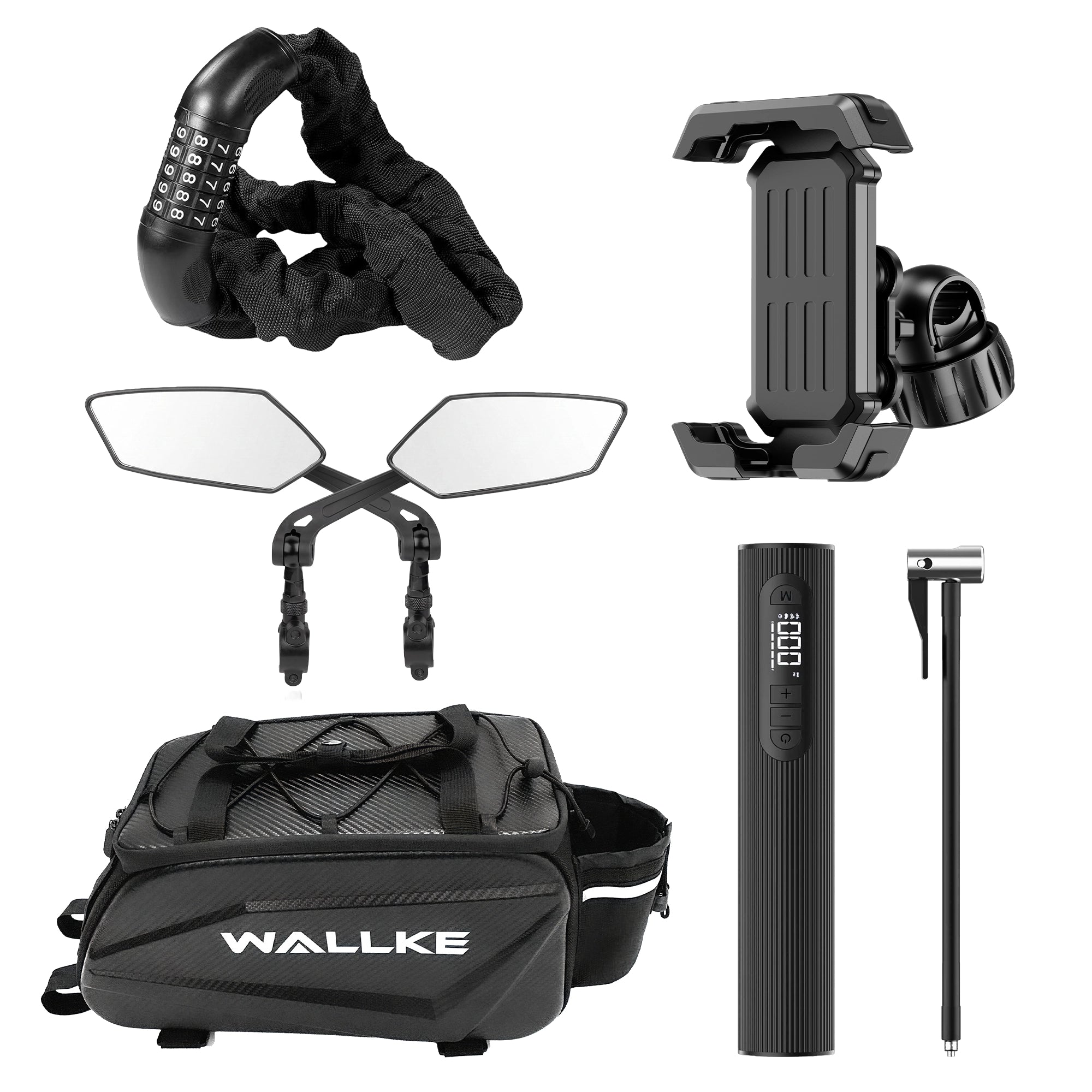
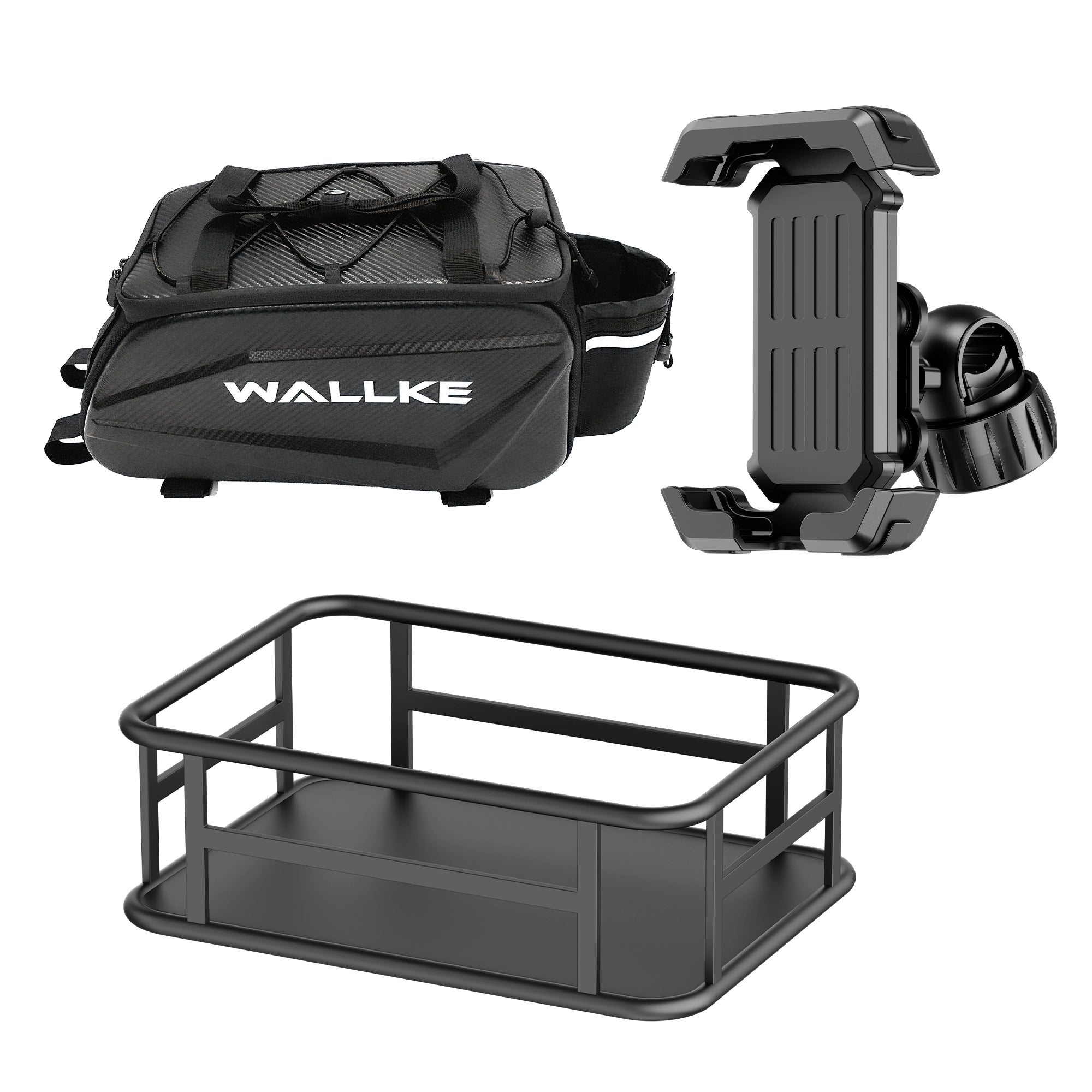
Safety Certified
In accordance with UL 2849

Test rides & service
Book a Test Ride and Explore Real Experiences with Our Ambassadors

Verified & Reviewed on Trusted Platforms
 Trustpilot 4.0★
Loved by Riders. Rated by Experience.
Trustpilot 4.0★ — Verified reviews from real riders worldwide. Authentic voices, real experiences.
 Google 4.2★
Top Quality Store on Google
WALLKE is recognized on Google for free shipping, 14-day returns, secure payments, and an exceptional shopping experience.
 Loox 4.7★
Verified Photo Reviews from Real Customers
4.7★ average rating from authentic Loox photo reviews — every image shared by verified WALLKE riders.
Expert Voices


Off Road E-Bike FAQs
For steep hills and loose terrain, choose an off road ebike with strong motor output, hydraulic brakes, fat tires, and ideally AWD traction. The Wallke H9 AWD is the best fit when maximum hill-climbing traction is the priority, while the H9 Ultra is better for riders who want a smoother torque-sensor feel and folding versatility.
Yes, as long as the frame, hinge, tires, suspension, and brakes are built for rugged riding. A folding off road ebike should have fat tires, reinforced frame hardware, hydraulic disc brakes, and suspension support rather than the lightweight setup found on many city folding e-bikes
Fat tires help improve stability and traction on gravel, sand, snow, dirt paths, and uneven surfaces. For off-road riding, 20x4 fat tires can provide a larger contact patch and more confidence than narrow commuter tires.
AWD is most useful for steep hills, loose gravel, sand, snow, and heavy-load riding. If you mostly ride mixed pavement and light trails, a powerful single-motor off road ebike may be enough. If traction is your main concern, AWD is the better choice
Yes. Many hunters choose off road ebikes because they are quieter than gas vehicles and easier to use on narrow trails. Look for fat tires, long range, cargo compatibility, stable braking, and enough motor power for hills and gear
Range depends on rider weight, terrain, assist level, speed, temperature, tire pressure, and cargo. Off-road riding usually consumes more battery than flat pavement, so riders should choose more battery capacity than their minimum daily mileage
Fuel Your Curiosity