

Safety Certified
UL and TUV Safety Certified - UL 2849 / UL 2271
Range. Torque. Reliability.
Battery

Torque

Tire Size

Top Speed
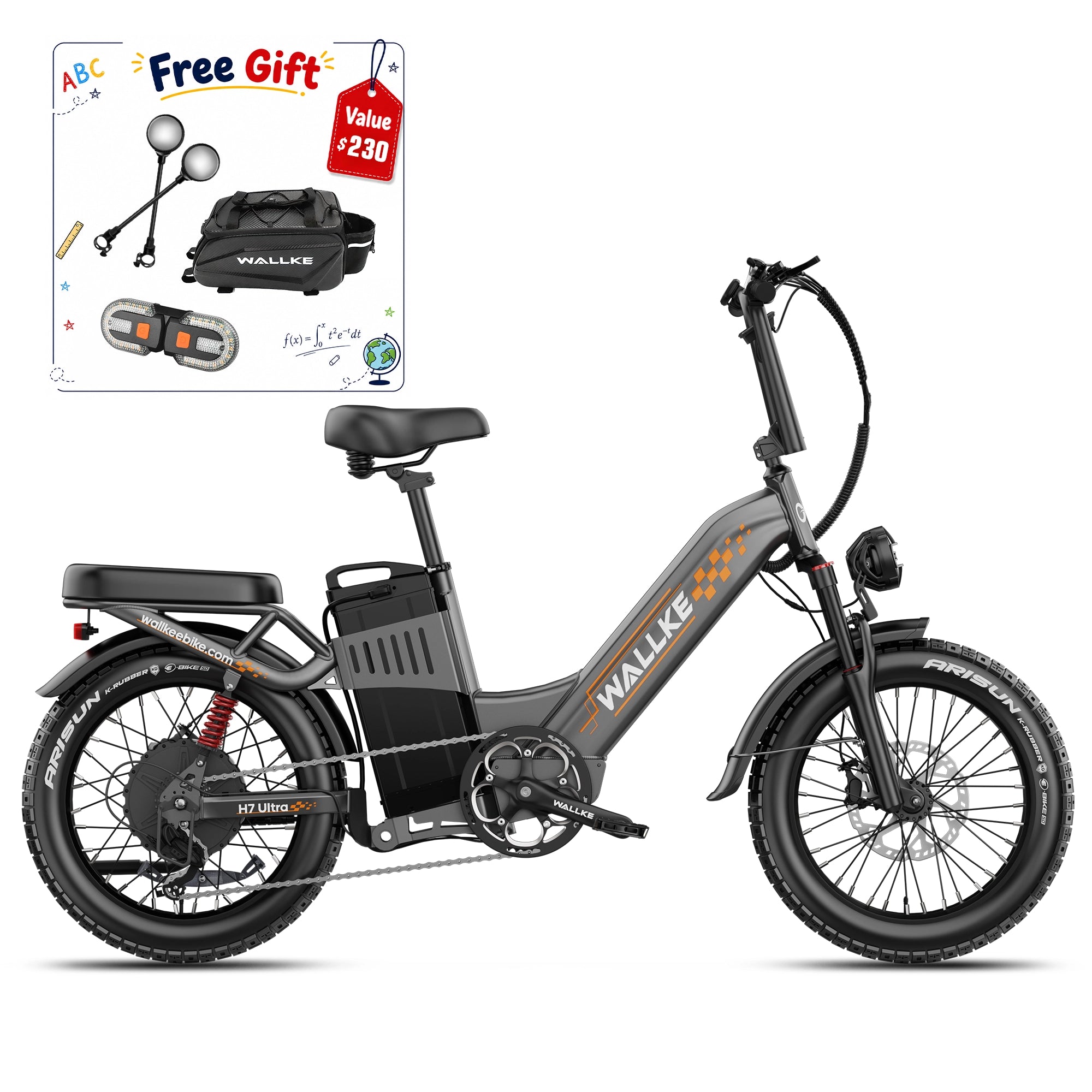
Easy Step. Comfort. Freedom.
Battery
Peak Motor
Top Speed
Tire Size
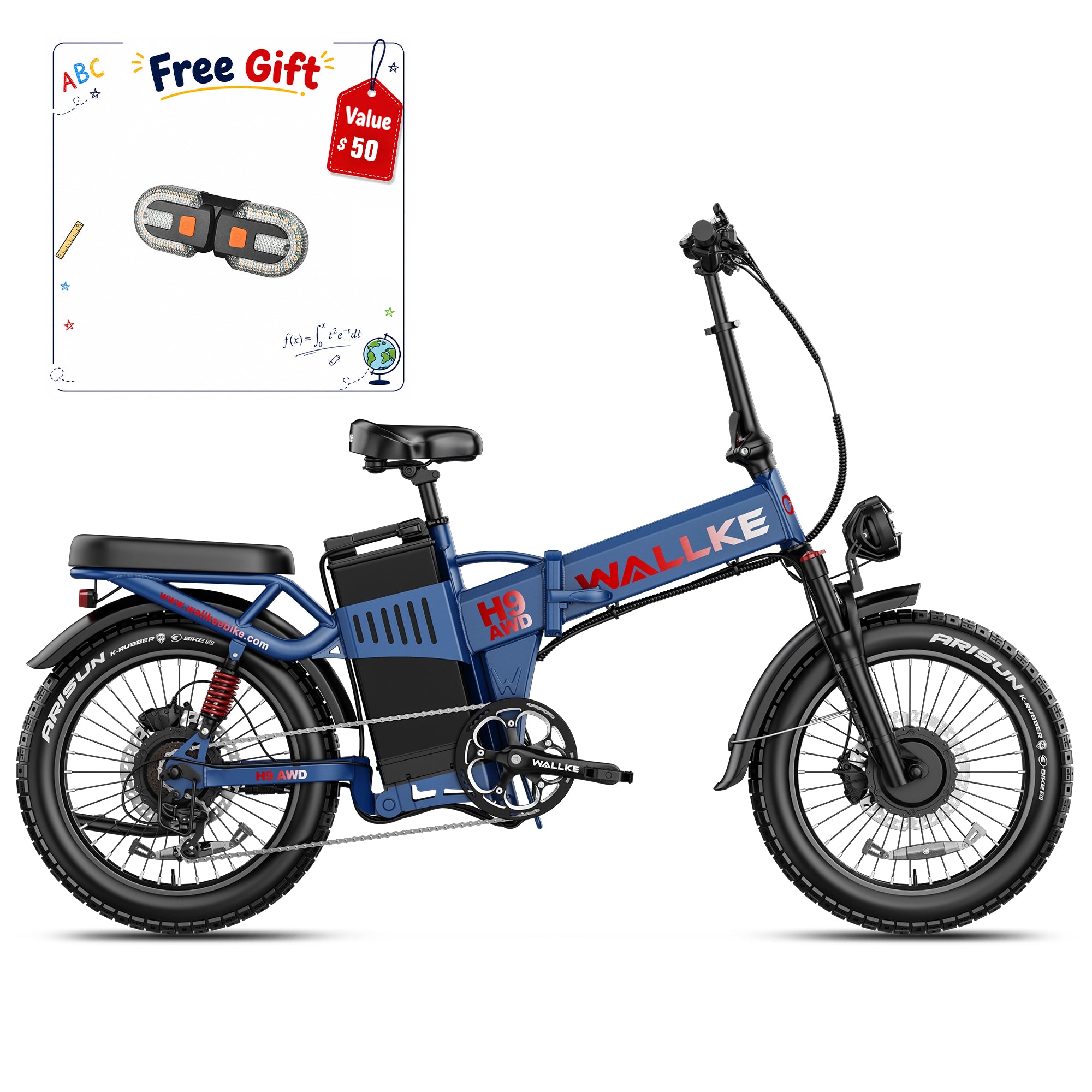
Fold. Power. Endure.
Battery
Top Speed
Peak Motor
Tire Size
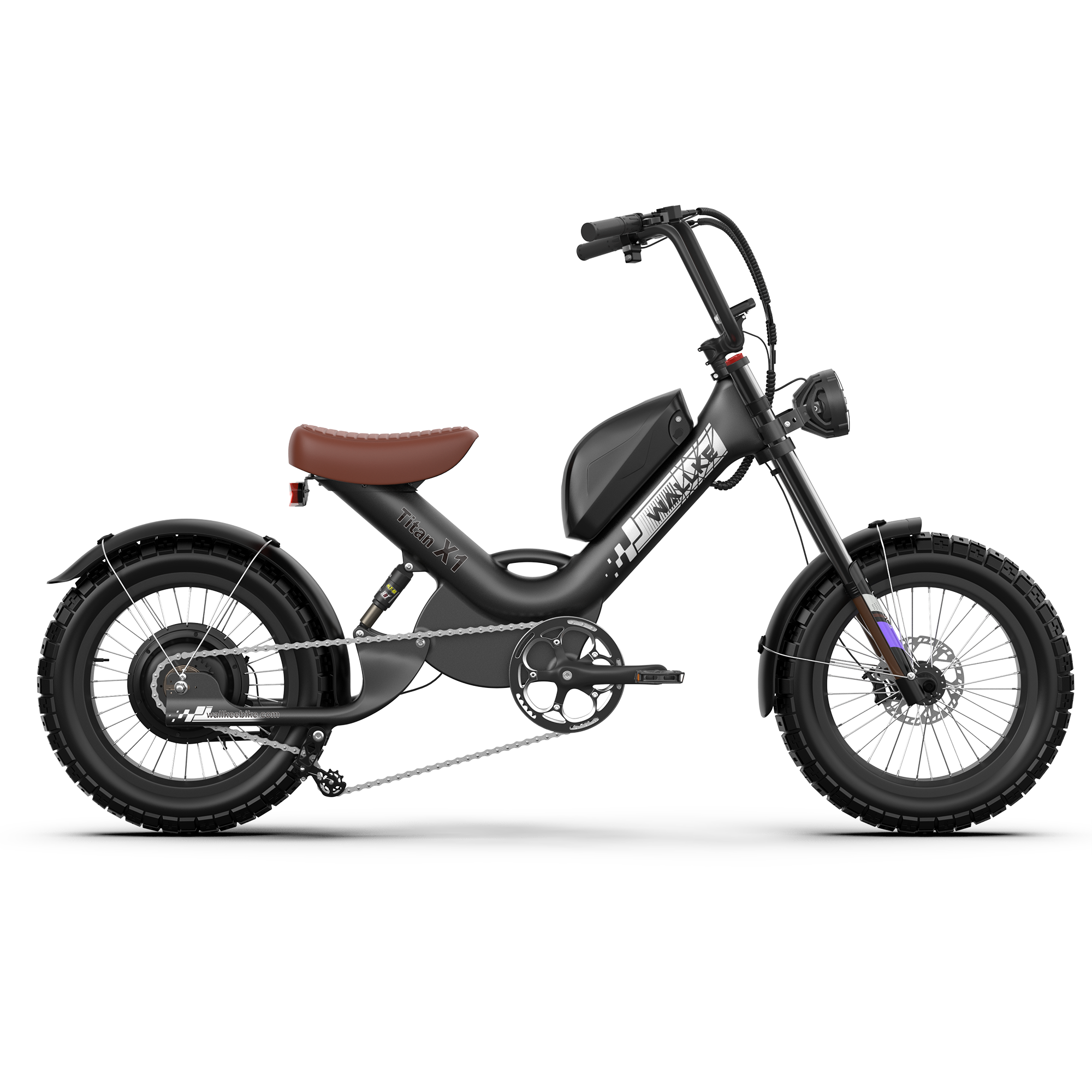
The Birth of a New Legend
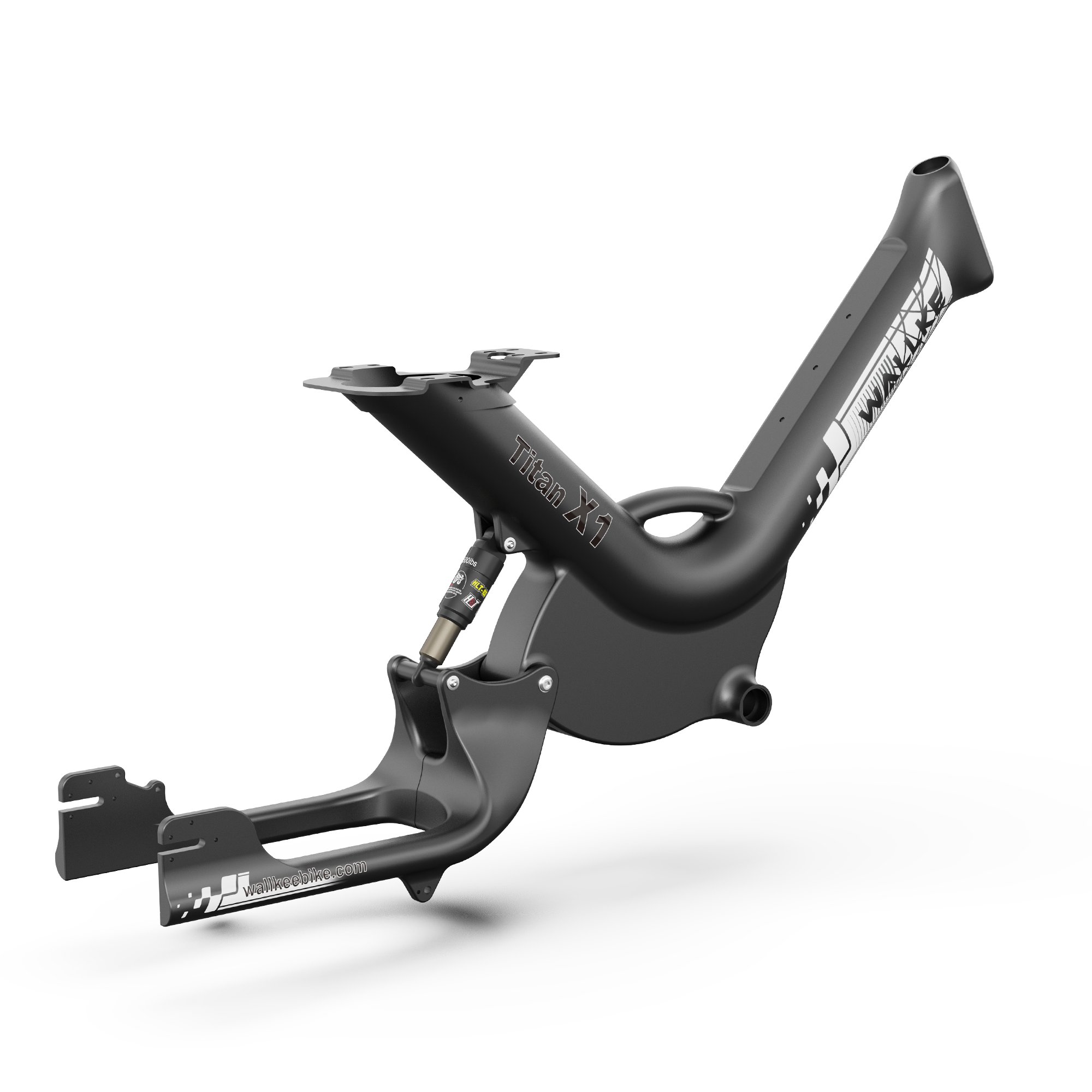
Frame
Peak Motor
Top Speed
Tire Size
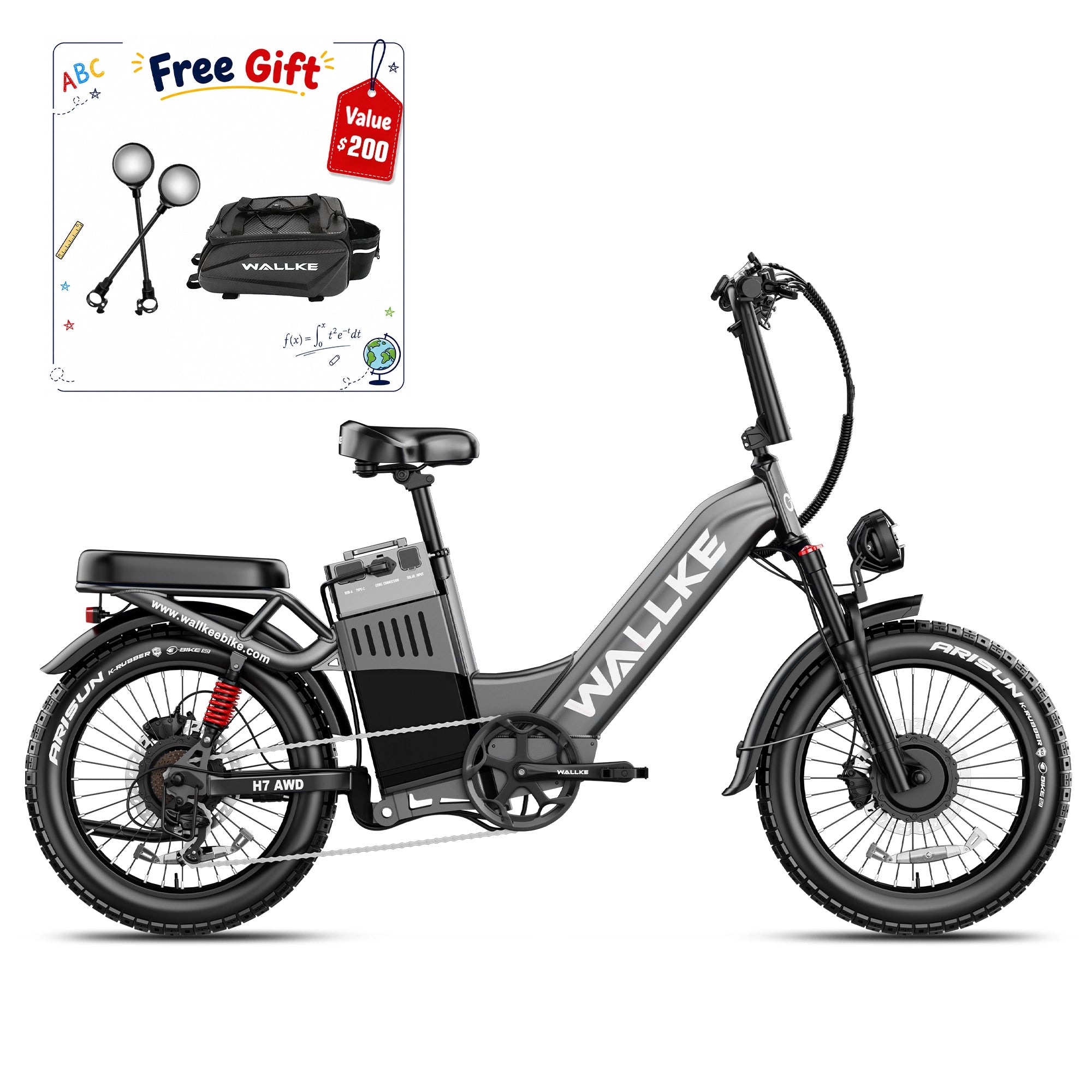
Off-Grid Power Station

Battery

Sensor

Fork

Controller
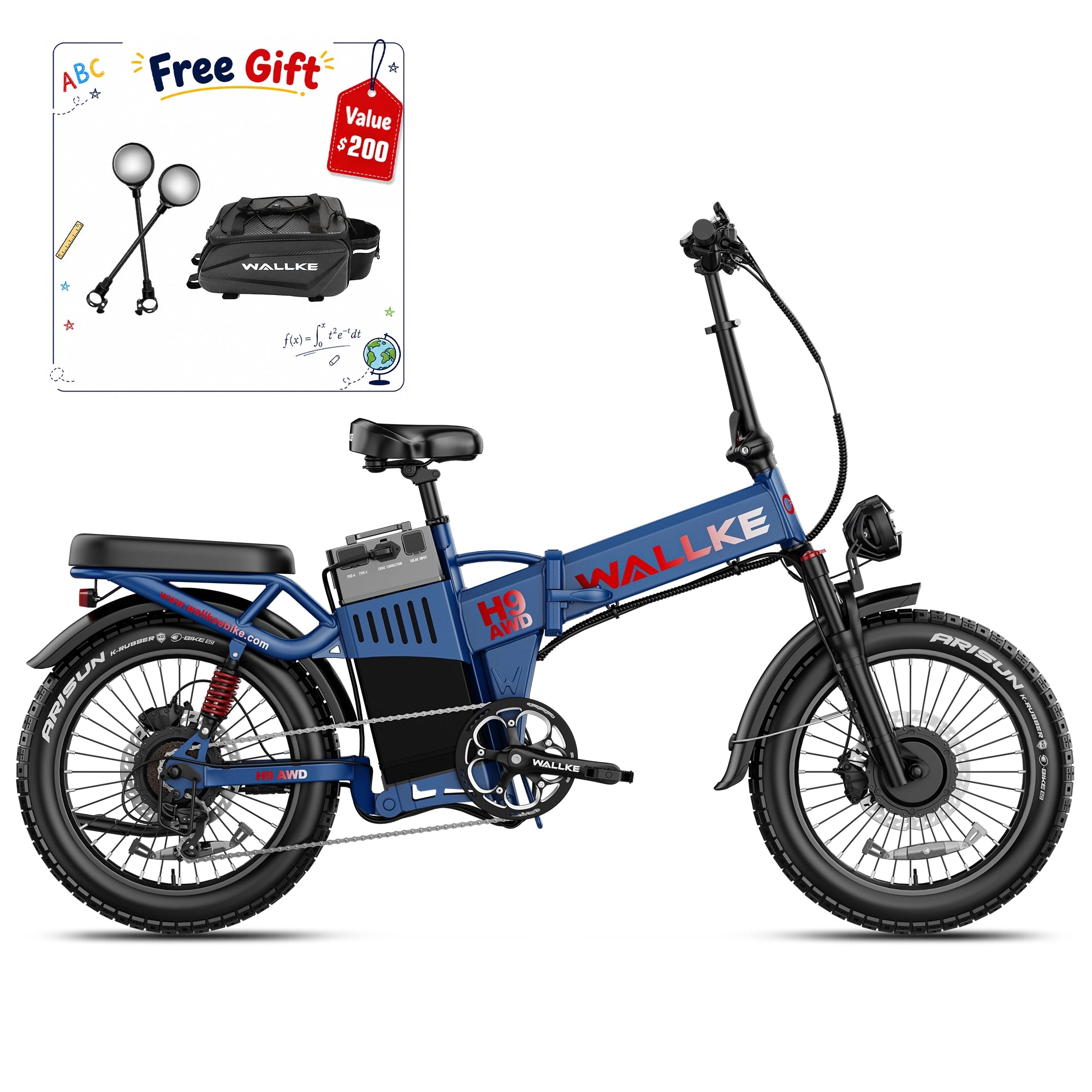
Off-Grid Power Station
Battery
Sensor
Top Speed
Tire Size
How to Choose the Right Commuter E-Bike?
A good commuter e-bike should make daily riding easier, not more complicated. For most riders, the right model depends on commute distance, storage space, hills, road surface, comfort, and how much battery range you want in reserve.
For Daily City Rides
If your commute includes stop-and-go traffic, bike lanes, errands, and short city routes, look for stable handling, predictable pedal assist, strong braking, and a comfortable upright ride position.
For Longer Commutes
A long-range commuter e-bike gives you more flexibility when your route includes hills, headwinds, extra cargo, or weekend detours. Real-world range can vary by rider weight, terrain, assist level, temperature, and tire pressure.
For Storage and Transport
A folding commuter e-bike can be a smart choice if you live in an apartment, store your bike in a garage corner, carry it in an SUV, or travel by RV. Folding models are still heavier than regular bicycles, so storage space and lifting needs both matter.
For Comfort and Rough Roads
Fat tires, suspension features, hydraulic brakes, and a sturdy frame can make daily commuting feel smoother on rough pavement, gravel shoulders, potholes, hills, and mixed urban routes.
Compare Wallke Commuter E-Bike Options
Wallke commuter e-bikes are designed for riders who want more than a basic short-distance city bike. Use the table below to match your riding needs with the right type of commuter model.
| Riding Need | Best Wallke Option | Why It Works for Commuting |
|---|---|---|
| Longer daily routes | Long-range commuter e-bike | Helps reduce range anxiety when your commute includes hills, cargo, wind, or extra errands after work. |
| Apartment or limited storage | Folding commuter e-bike | Useful for riders who need a bike that can fit into tighter storage spaces, SUVs, RVs, or shared garages. |
| Easy mounting and frequent stops | Step-through commuter e-bike | A lower step-over frame can make mounting, dismounting, and stop-and-go city riding more convenient. |
| Rough pavement or mixed routes | Fat tire commuter e-bike | Fat tires can add stability and comfort on uneven streets, gravel shoulders, light trails, and imperfect city roads. |
| Hills and heavier riding demands | High-power commuter e-bike | More motor support can help on climbs, but speed and motor use should always follow local e-bike laws. |
Note: Range, speed, climbing ability, and ride feel vary by rider weight, terrain, assist level, battery level, cargo, wind, temperature, and local regulations.
Not Sure Which Commuter E-Bike Fits Your Ride?
Compare Wallke models by range, frame style, comfort, storage needs, and riding terrain before choosing your daily ride.
Bundle & Save Big
Safety Certified
In accordance with UL 2849

Test rides & service
Book a Test Ride and Explore Real Experiences with Our Ambassadors

Verified & Reviewed on Trusted Platforms
 Trustpilot 4.2★
Loved by Riders. Rated by Experience.
Trustpilot 4.2★ — Verified reviews from real riders worldwide. Authentic voices, real experiences.
 Google 4.2★
Top Quality Store on Google
WALLKE is recognized on Google for free shipping, 14-day returns, secure payments, and an exceptional shopping experience.
 Loox 4.7★
Verified Photo Reviews from Real Customers
4.7★ average rating from authentic Loox photo reviews — every image shared by verified WALLKE riders.
Expert Voices


Commuter E-Bike FAQs
The best commuter e-bike depends on your route. For longer rides, prioritize battery range and comfort. For apartment storage, consider a folding commuter e-bike. For frequent stops or easier mounting, a step-through frame may be more practical.
Choose more range than your round-trip distance requires. Hills, rider weight, cargo, wind, temperature, tire pressure, and assist level can all reduce real-world range, so having extra battery capacity gives you more flexibility.
A Class 2 commuter e-bike can be useful for stop-and-go riding because throttle assistance may help with starts. A Class 3 commuter e-bike can support higher pedal-assist speeds where allowed. E-bike class rules vary by state, city, road, and trail, so always check local regulations before riding.
Fat tire e-bikes can work well for commuting if your route includes rough pavement, gravel, potholes, snow, sand, or mixed surfaces. Riders who want the lightest possible city bike may prefer a slimmer-tire commuter model.
A folding commuter e-bike is worth considering if storage or transport is important. It can be easier to fit in an apartment, garage, SUV, truck bed, or RV, but folding e-bikes can still be heavy because of the motor, battery, tires, and reinforced frame.
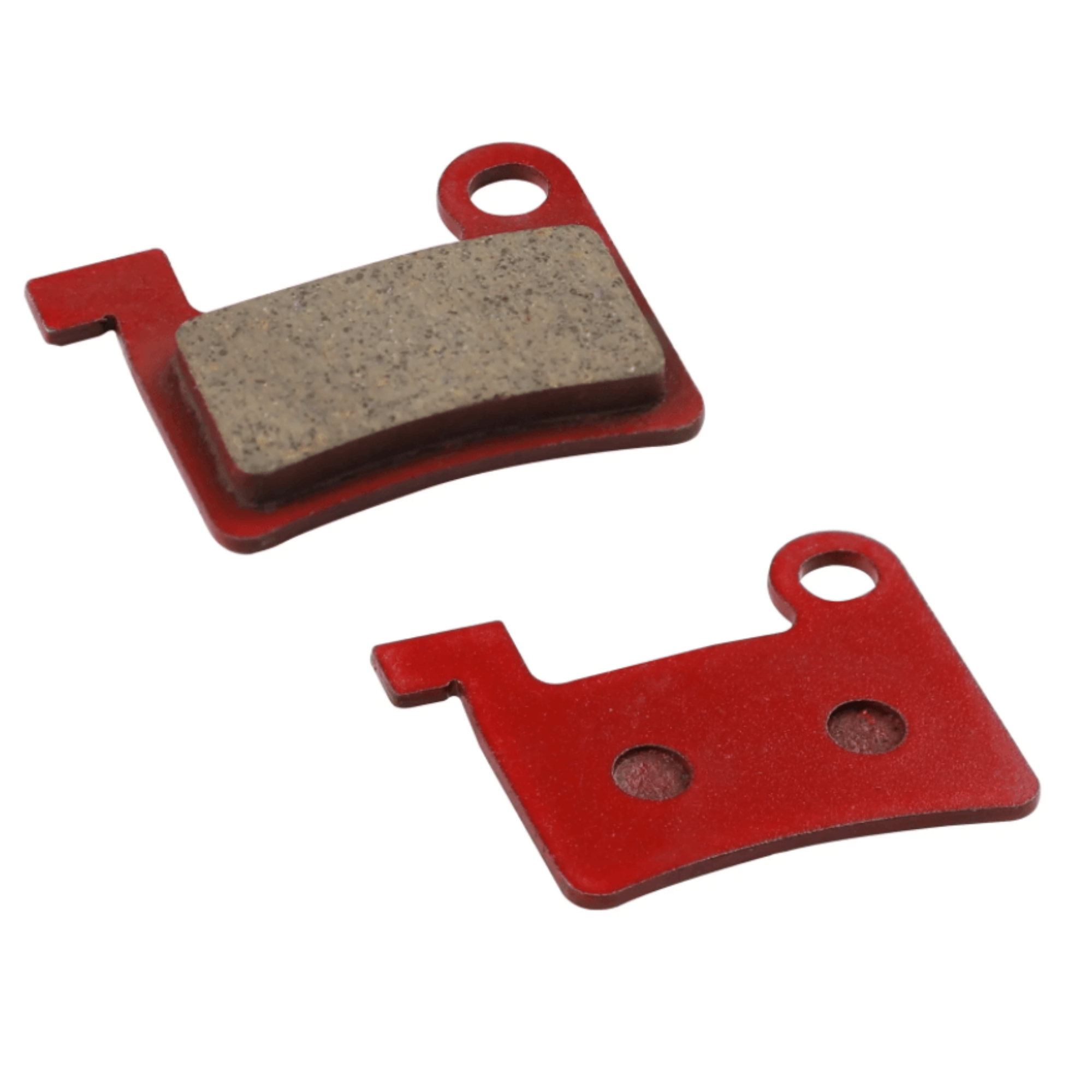
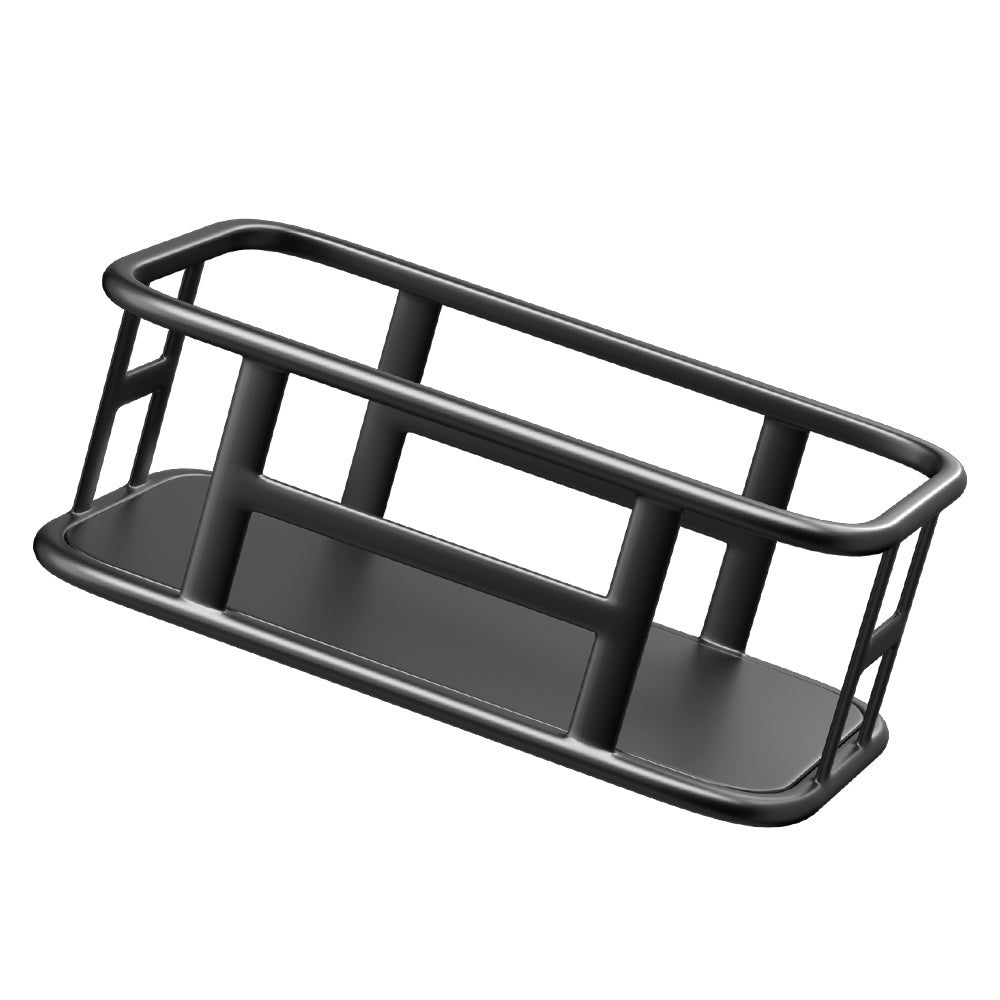
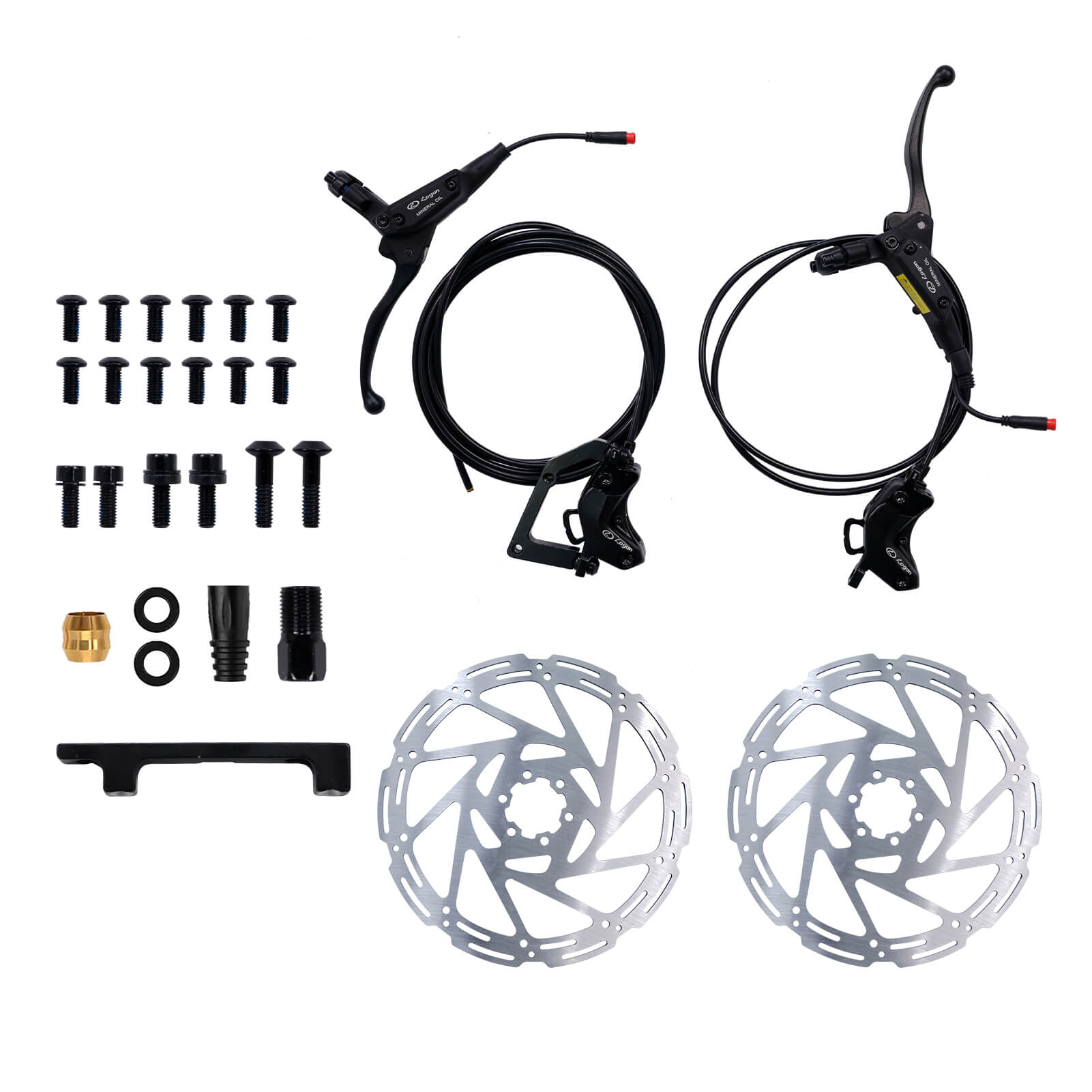
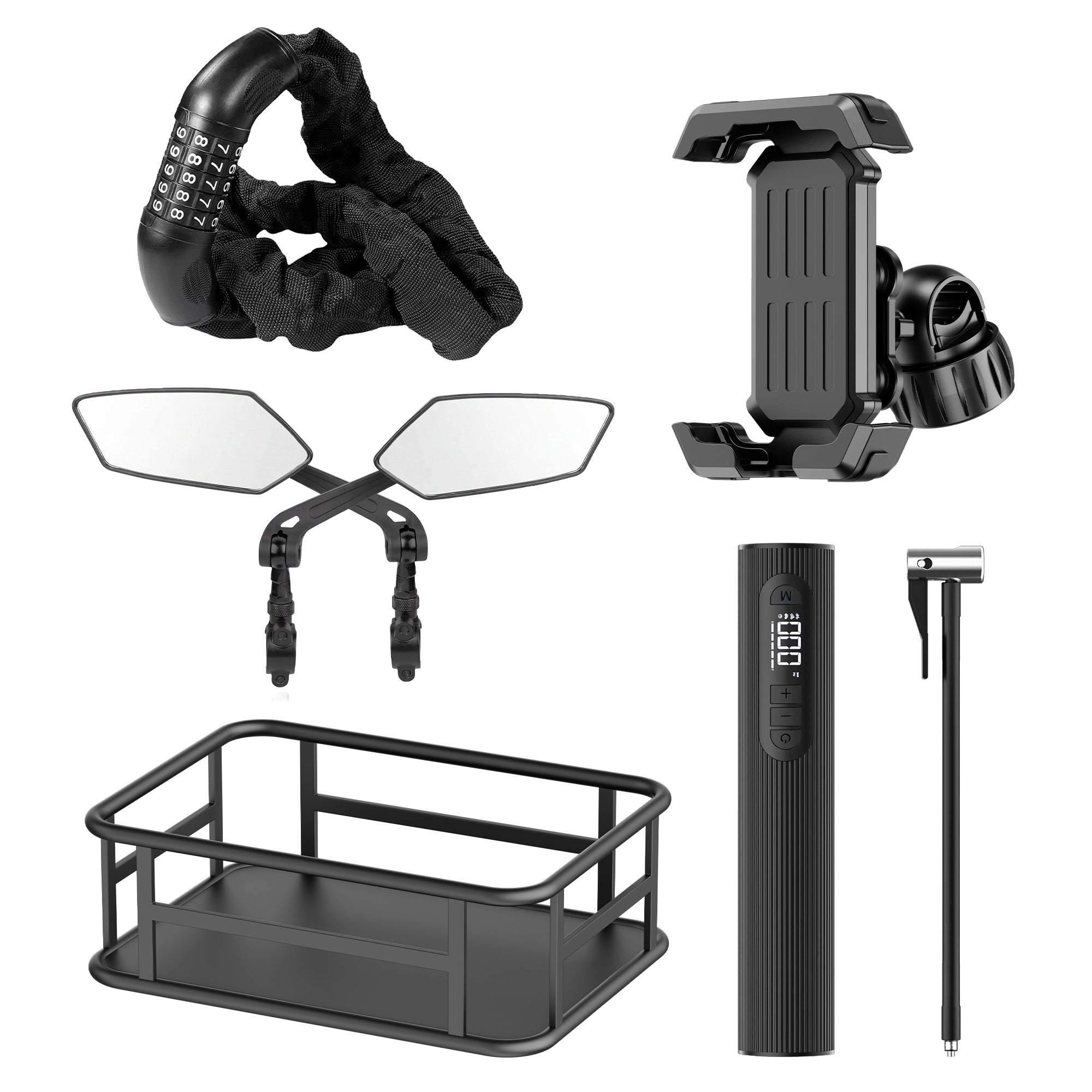
Useful commuter e-bike accessories may include a rear basket or rack, lights, mirror, lock, fenders, spare charger, brake pads, and a phone mount. Choose accessories based on your route, weather, cargo, and parking situation.
Yes, selected commuter e-bikes can handle hills, especially models with stronger motor support and stable tires. Actual climbing performance depends on rider weight, cargo, grade, battery level, assist mode, and road surface.