
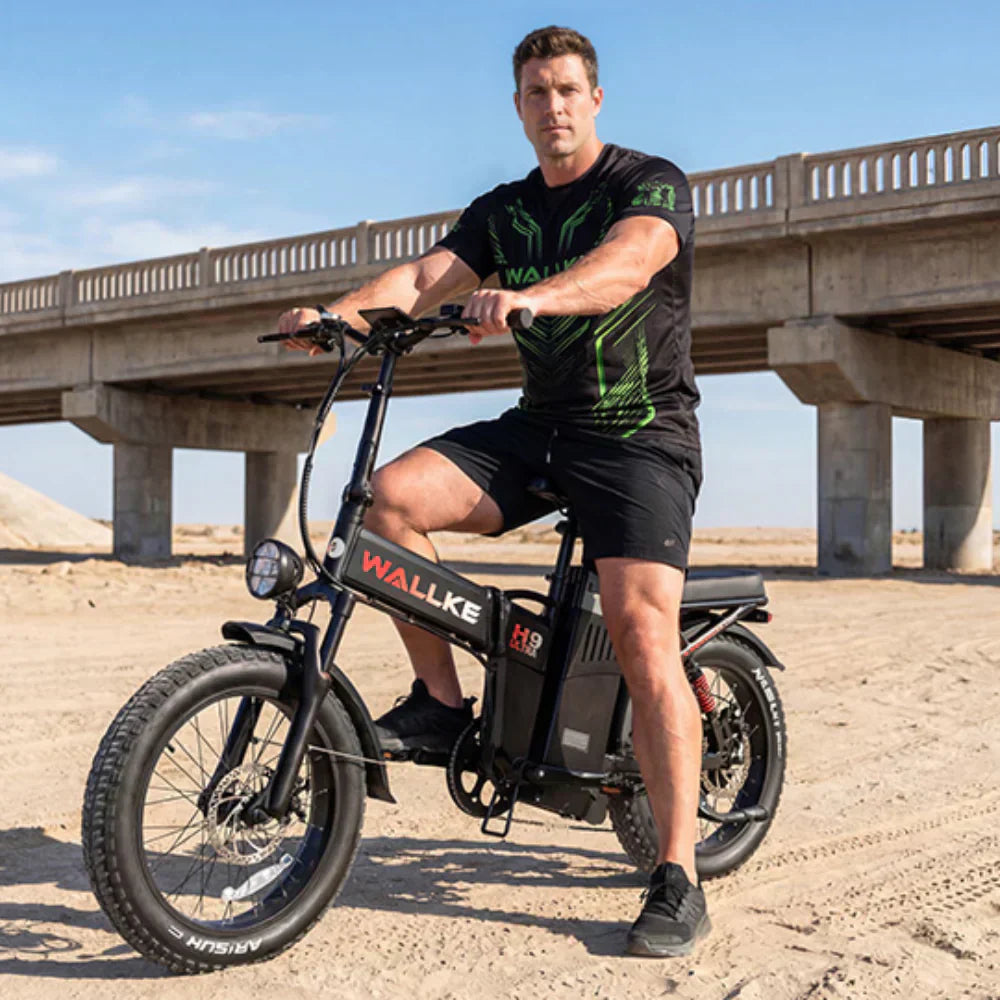
Urban travel has really changed a lot over the years, especially with new transportation tech coming into play. One of the coolest innovations is the City Commuter E-bike, like the Wallke Ebike. It's a pretty awesome alternative to your standard bikes or cars, giving you a fresh way to get around the city. These e-bikes come with electric motors, so they can handle longer rides with less hassle-and they can actually save you time during rush hour. They're especially great if you're tired of sitting in traffic every day.
City Commuter E-bikes are actually pretty practical for avoiding city congestion. They're lightweight and easy to handle, so weaving through tight spots isn't an issue. Plus, parking is a breeze-you can almost park anywhere. That said, some folks might find it tough to juggle speed and safety when things get hectic downtown.
What's really cool about these bikes is that they're pushing people toward more eco-friendly habits. More folks are choosing a Wallke Ebike over gas-guzzling cars, which is awesome for the environment. But, let's be honest-riding in city streets isn't everyone's cup of tea. That's why good bike lanes and better infrastructure are super important. City planning needs to keep up so these rides can be safer and more accessible for everyone.

What Defines a City Commuter Ebike in Today's Urban Landscape?
In today's urban landscape, a city commuter ebike stands out as a practical tool for navigating congested streets. These bikes are designed specifically for city dwellers. They often feature lightweight frames and efficient electric assist, making them suitable for short to medium distances. According to a recent report by the International Transport Forum, cycling can reduce urban congestion by up to 30%. This shift not only eases traffic but also promotes healthier lifestyles.
Many commuters favor ebikes due to their convenience. They can easily weave through traffic and avoid long waits at red lights. The batteries on a Wallke Ebike typically last for 20 to 50 miles, which covers most daily commutes. Riders can save on fuel and parking costs. A survey indicated that over 60% of cyclists feel more energized after using ebikes for their daily travels.
Tips for choosing the right ebike: Focus on battery life and weight. Lighter bikes are easier to handle. Consider your usual route and elevation changes. Test ride different models to find a comfortable fit. Some designs may look appealing but are not practical for daily use. Adjust your expectations and stay mindful of your commuting habits.
Key Features of City Commuter Ebikes: Speed, Range, and Design
City commuter ebikes have transformed urban travel. They are efficient, fast, and designed for the hustle of city life. The average speed of these bikes can reach up to 28 mph, making them quicker than traditional bicycles. With their electric assistance, riders can tackle hills easily and navigate through traffic.
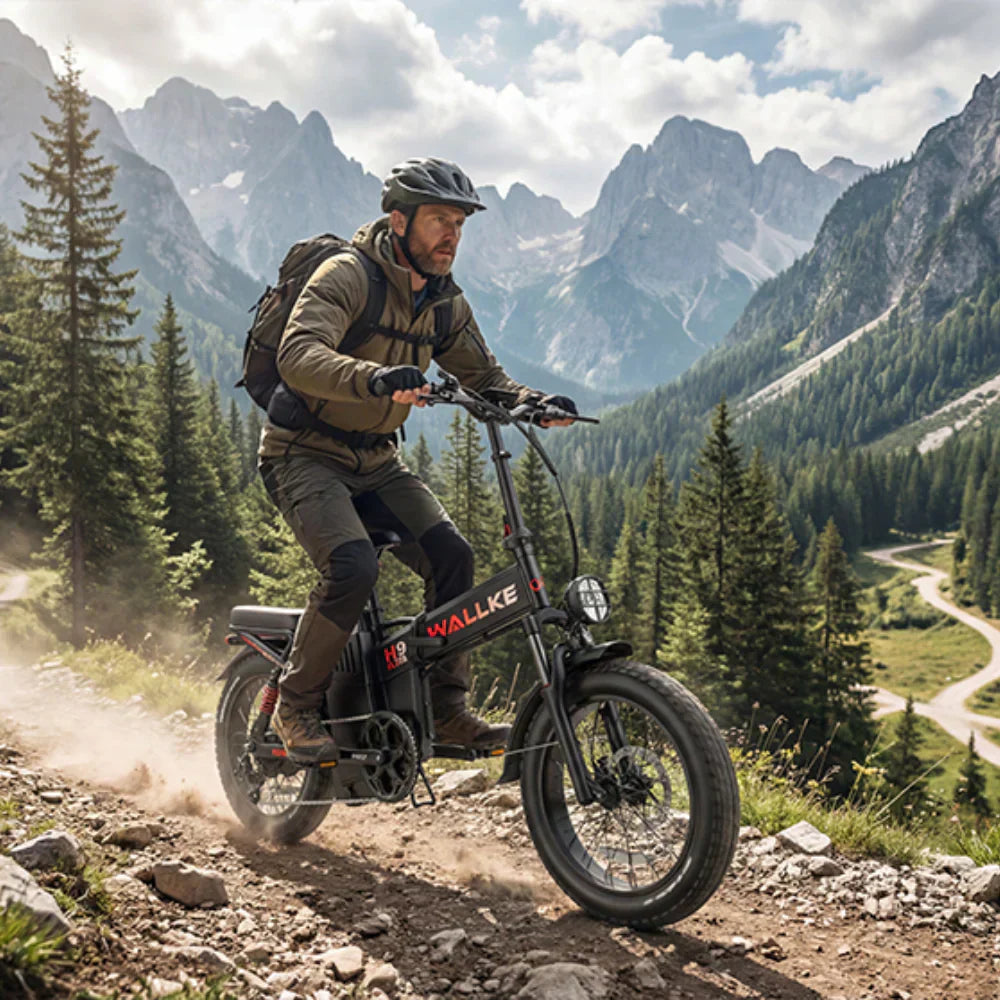
Range is another critical feature. Some city commuter ebikes, like the Wallke Ebike, can cover over 50 miles on a single charge. This range allows commuters to travel longer distances without anxiety. Additionally, their lightweight frames often use materials like aluminum, which enhance maneuverability in crowded settings.
Tip: Consider battery capacity when choosing an ebike. A larger battery can support longer commutes and reduce the need for frequent recharging.
Design is also essential. Many models offer adjustable seats and handlebars for comfort. Some bikes even come with integrated lights and racks for convenience. However, the market is still developing. Not all bikes come with the best suspension for bumpy city streets. Riders should be cautious about comfort and stability.
Tip: Test ride different models. Comfort and fit can greatly impact your daily experience.
Impact of Ebikes on Urban Traffic Congestion and Emissions Reduction
Urban areas face severe traffic congestion and environmental issues. Introducing city commuter ebikes can significantly alleviate these problems. Data from the European Cyclists' Federation reveals that using e-bikes can reduce urban car traffic by up to 20%. This shift could lead to less congestion on roads.
Furthermore, ebikes contribute to emissions reduction. According to a report from the International Council on Clean Transportation, replacing car trips with e-bike rides could save more than 6 million tons of CO2 annually in urban settings. Yet, the transition is not without challenges. Infrastructure needs to improve in many cities to accommodate more cyclists, including dedicated lanes and secure parking for models like the Wallke Ebike. Some areas still lack these essential features.
Moreover, while many embrace ebikes, concerns about safety remain. The increase in cyclists can lead to conflicts with motor vehicles. Adjusting to a mixed traffic environment requires caution. Without proper education for both cyclists and drivers, accidents can happen. Therefore, while ebikes present a promising solution, cities must address these concerns to create a truly sustainable urban travel system.
| Dimension | Statistic |
|---|---|
| Average Distance Traveled by Commuters | 5-15 miles |
| Reduction in Traffic Congestion (City) | 10-20% |
| Decrease in CO2 Emissions | 30-50% per trip |
| Cost Savings Compared to Cars | $500-$2000 annually |
| Number of Trips Made by Ebike Users | 2-3 trips per day |
| Increase in Urban Mobility | 15-25% |
Statistics on Ebike Adoption Rates in Major Urban Areas Worldwide

Urban areas are seeing a significant rise in e-bike adoption. Many major cities report that e-bike usage has doubled in recent years. Some cities even claim that more than 20% of their residents now own an e-bike. This boom is driven by a growing awareness of environmental issues. Cyclists appreciate the convenience and speed that e-bikes provide, especially in congested areas.
Data shows that urban commuters often prefer e-bikes for short trips. In dense districts, using a Wallke Ebike can cut travel time in half compared to driving. E-bikes also help reduce air pollution, a persistent issue in many cities. However, not all city infrastructure supports e-bike use. Some cities lack adequate bike lanes, making safety a concern for riders. There are instances where cyclists face conflicts with pedestrians and vehicles, creating a need for better urban planning.
Despite these challenges, e-bikes offer a glimpse into a more sustainable future. The adoption rates reflect a shift in transportation preferences. Yet, for lasting change, cities must invest more in safe infrastructure. Engaging communities in this conversation can lead to effective solutions.
Comparing Ebikes to Traditional Bicycles and Public Transportation Options
Urban commuting is seeing a shift, especially with the rise of city commuter ebikes. These electric bikes offer a potent alternative to traditional bicycles and public transportation. According to the National Institute for Transportation and Communities, the average commuter can save up to 50% on travel time when using an ebike compared to taking the bus or subway.
Compared to traditional bicycles, ebikes provide motorized assistance, making longer distances and hilly terrains easier to navigate. In a study published by the Journal of Transport Geography, 72% of participants indicated they were more likely to ride regularly with an ebike like the Wallke Ebike. Yet, some users report feeling less physically active than when using a classic bike. This raises questions about the balance between convenience and fitness.
Public transportation has its own challenges, including crowded buses and limited schedules. A report from the European Cyclists' Federation highlights that 40% of urban trips are under 5 kilometers. This suggests many city dwellers could effectively choose an ebike. However, factors like weather and infrastructure remain drawbacks. Some cities lack adequate bike lanes, making it less appealing for potential riders. Addressing these realities is crucial for maximizing the benefits of urban ebiking.
User Demographics: Who is Riding City Commuter Ebikes?
City commuter ebikes cater to a diverse group of riders. According to recent industry reports, around 40% of ebike users are aged between 25 and 34. This age group often seeks eco-friendly alternatives for daily travel. Young professionals appreciate the speed and efficiency of a Wallke Ebike in urban environments.
Furthermore, a growing number of retirees are joining the ebike trend. Nearly 25% of riders are over 55 years old. They find that ebikes provide a low-impact way to stay active while navigating city streets. Many face mobility challenges, making ebikes appealing.
User demographics also reveal a significant gender balance. Approximately 55% of city commuter ebike riders are male, yet female participation is steadily increasing. Safety and comfort are often discussed among female riders. Some report concerns about traffic and infrastructure. Improvement is needed here. Parks or dedicated bike lanes could enhance their experience.
Future Trends: Innovations in Ebike Technology and Urban Mobility Solutions

The future of urban mobility is being reshaped by innovative ebike technologies. City commuter ebikes are designed to enhance daily travel in bustling urban areas. These bikes are lightweight, offer powerful batteries, and provide seamless integration with smart apps. Riders can navigate through traffic more efficiently, often bypassing congestion. The customization options on a Wallke Ebike allow users to adjust their ride settings. However, not all urban infrastructure is ready for this shift.
Public spaces require adaptations to accommodate increased ebike traffic. Dedicated lanes and parking spaces need development. Some cities struggle with this transition while demand grows. Safety remains a critical concern as more people take to the streets. Collisions can happen, and users must remain vigilant. Additionally, factors like battery disposal and maintenance deserve attention. Balancing sustainability and growth is essential in this evolving landscape.
Conclusion
City Commuter Ebikes have emerged as a transformative solution in today's urban landscape, providing an efficient and eco-friendly option for city travel. Defined by their distinctive features such as enhanced speed, extended range, and ergonomic design, these bicycles facilitate quicker commutes while promoting sustainability. The rising adoption of City Commuter Ebikes, including popular models like the Wallke Ebike, directly impacts urban traffic congestion and contributes to emissions reduction, making them a viable alternative to traditional bicycles and public transportation.
Statistics highlight a growing trend in ebike usage across major urban areas worldwide, indicating a shift in commuting preferences. User demographics show that a diverse range of individuals are embracing City Commuter Ebikes, driven by convenience and environmental considerations. Looking ahead, innovations in ebike technology and urban mobility solutions promise to further enhance the role of City Commuter Ebikes in shaping future urban travel.


Leave a comment