

Safety Certified
UL and TUV Safety Certified - UL 2849 / UL 2271
Range. Torque. Reliability.
Battery

Torque

Tire Size

Top Speed
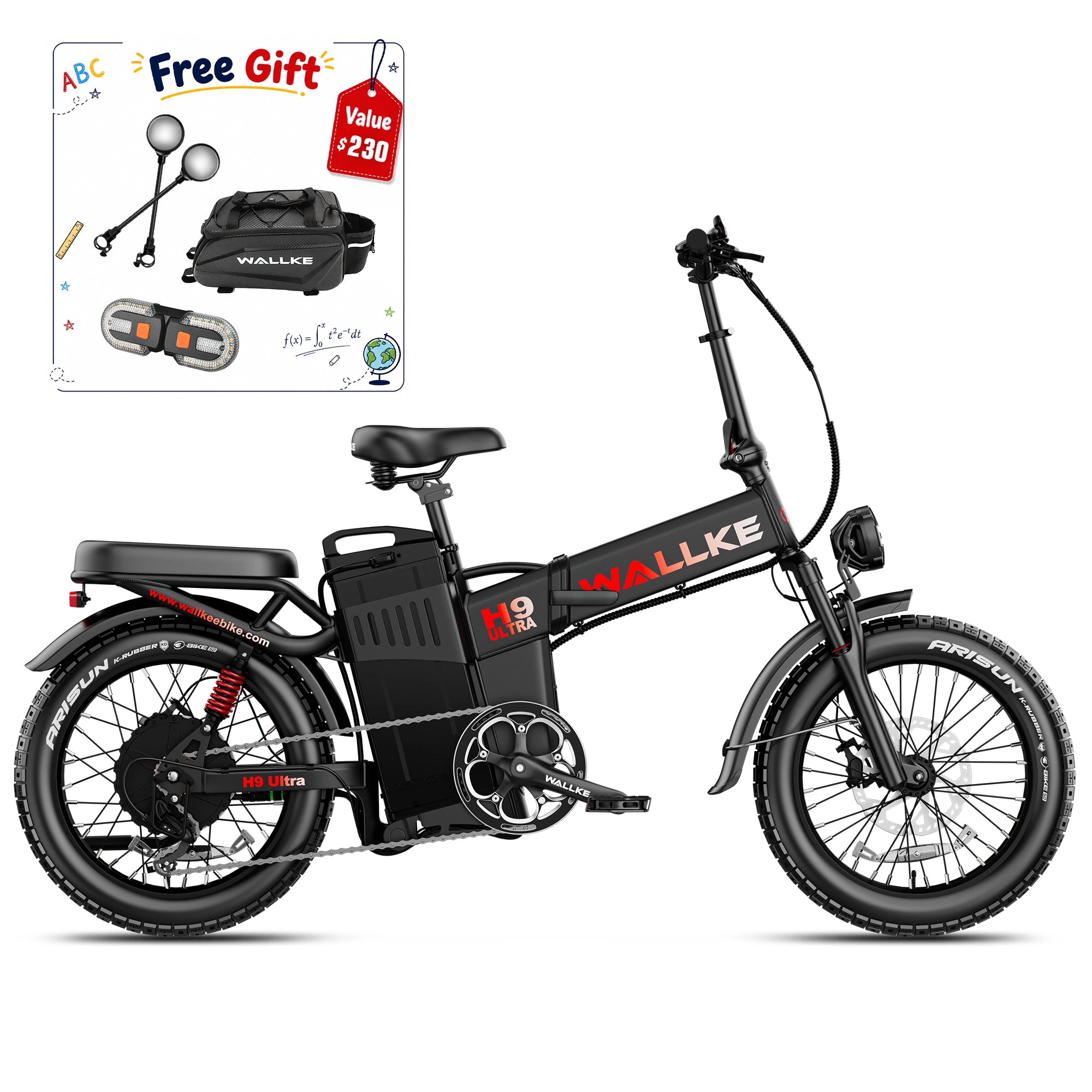
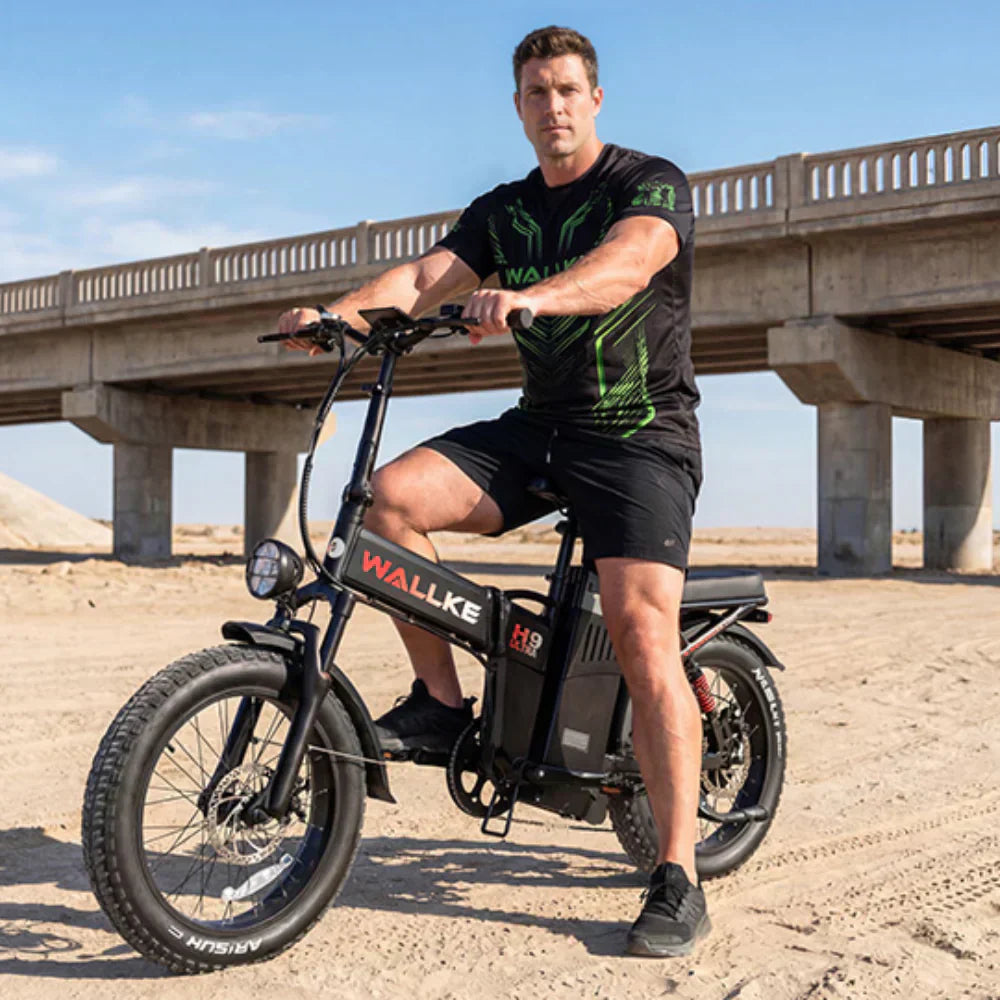
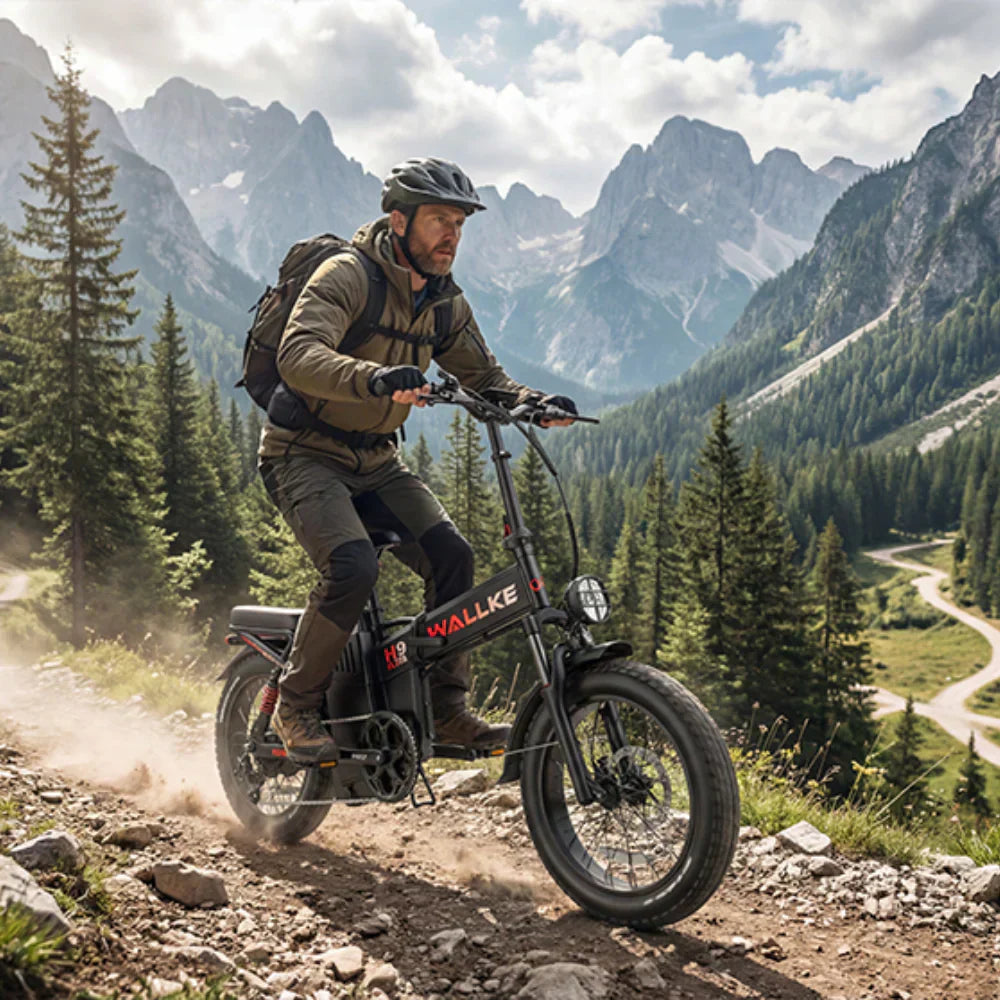
Fold. Store. Adventure.
Top Speed
Tire Size

Max Load

Sensor
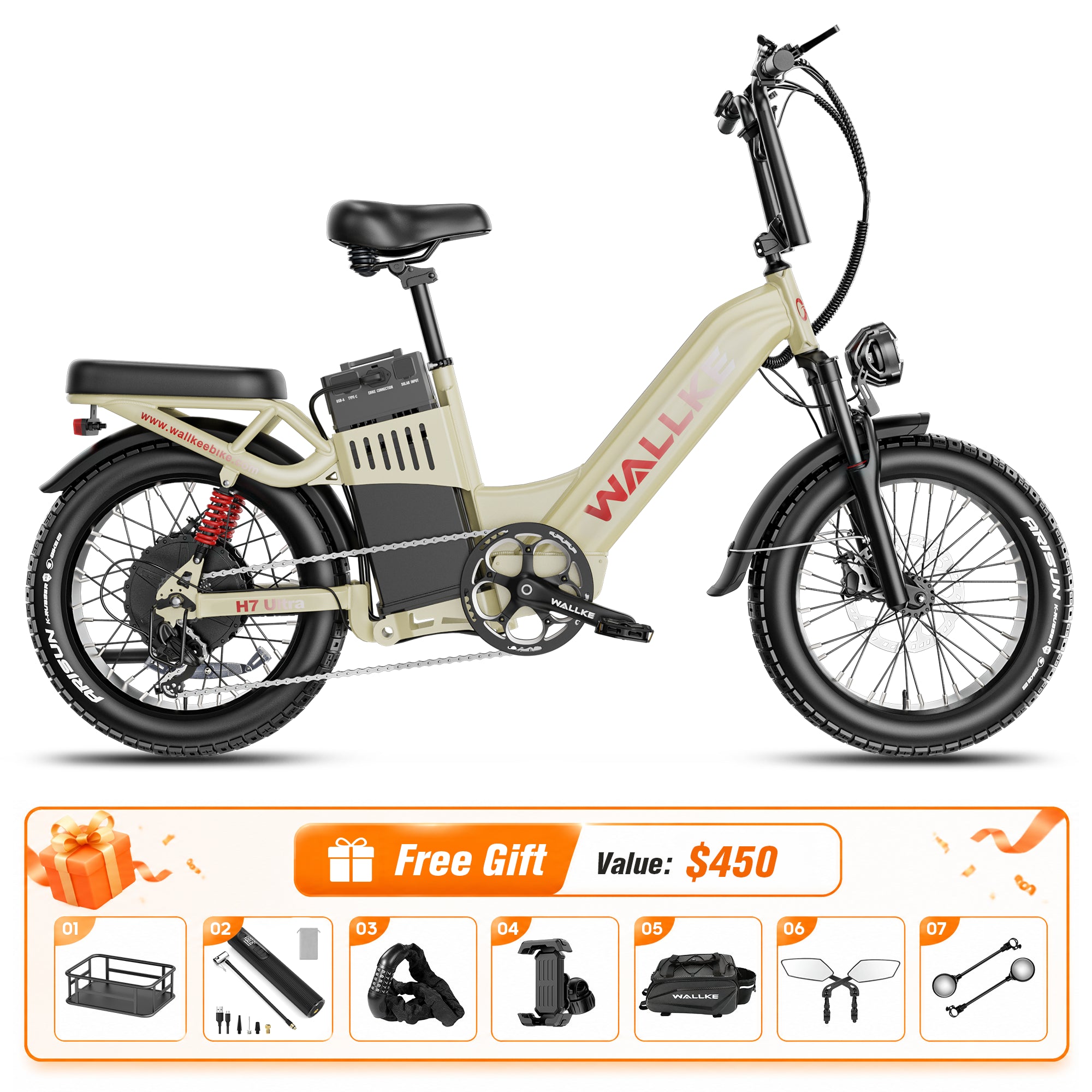
Easy Step-Through Comfort
Top Speed
Tire Size
Max Load
Sensor
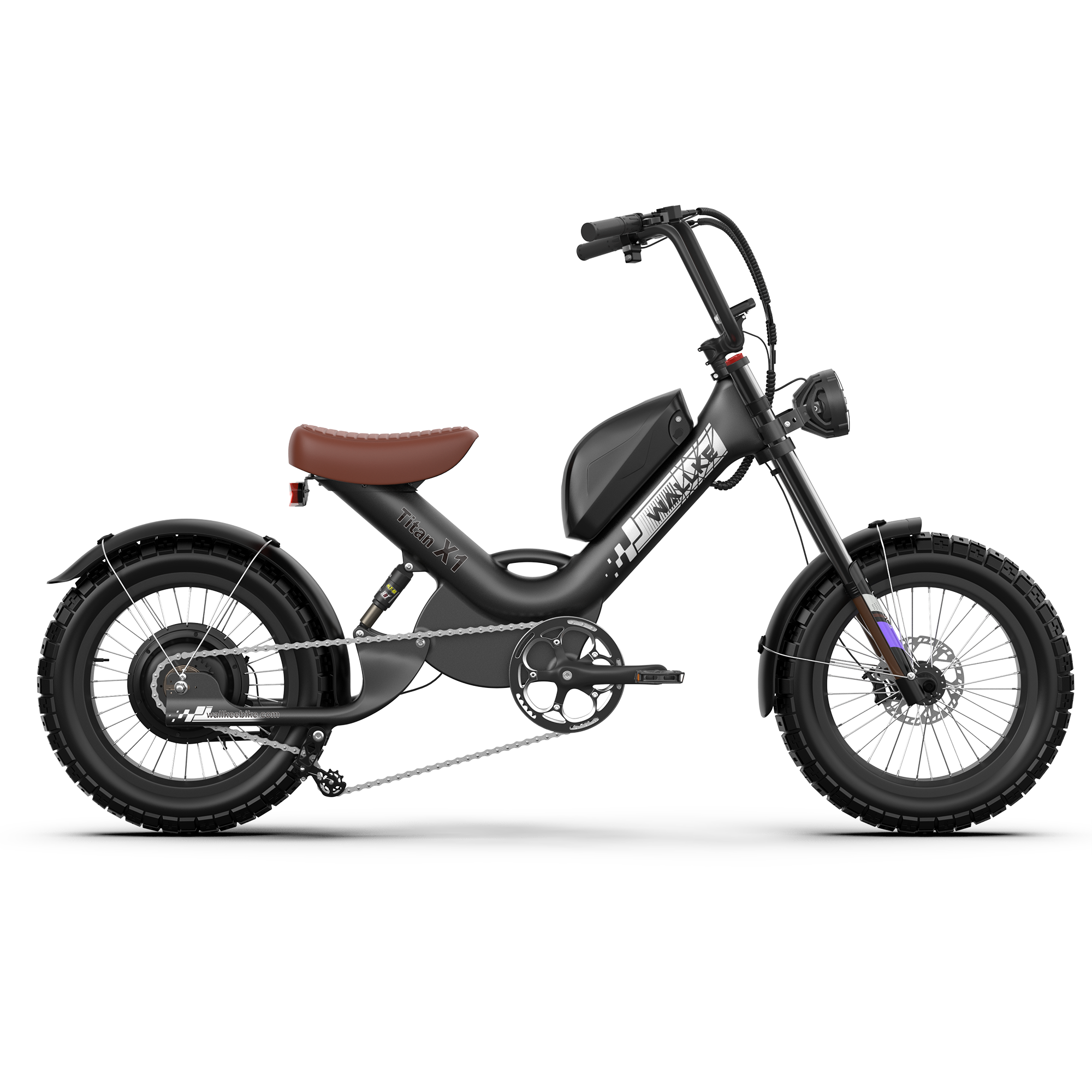
The Birth of a New Legend
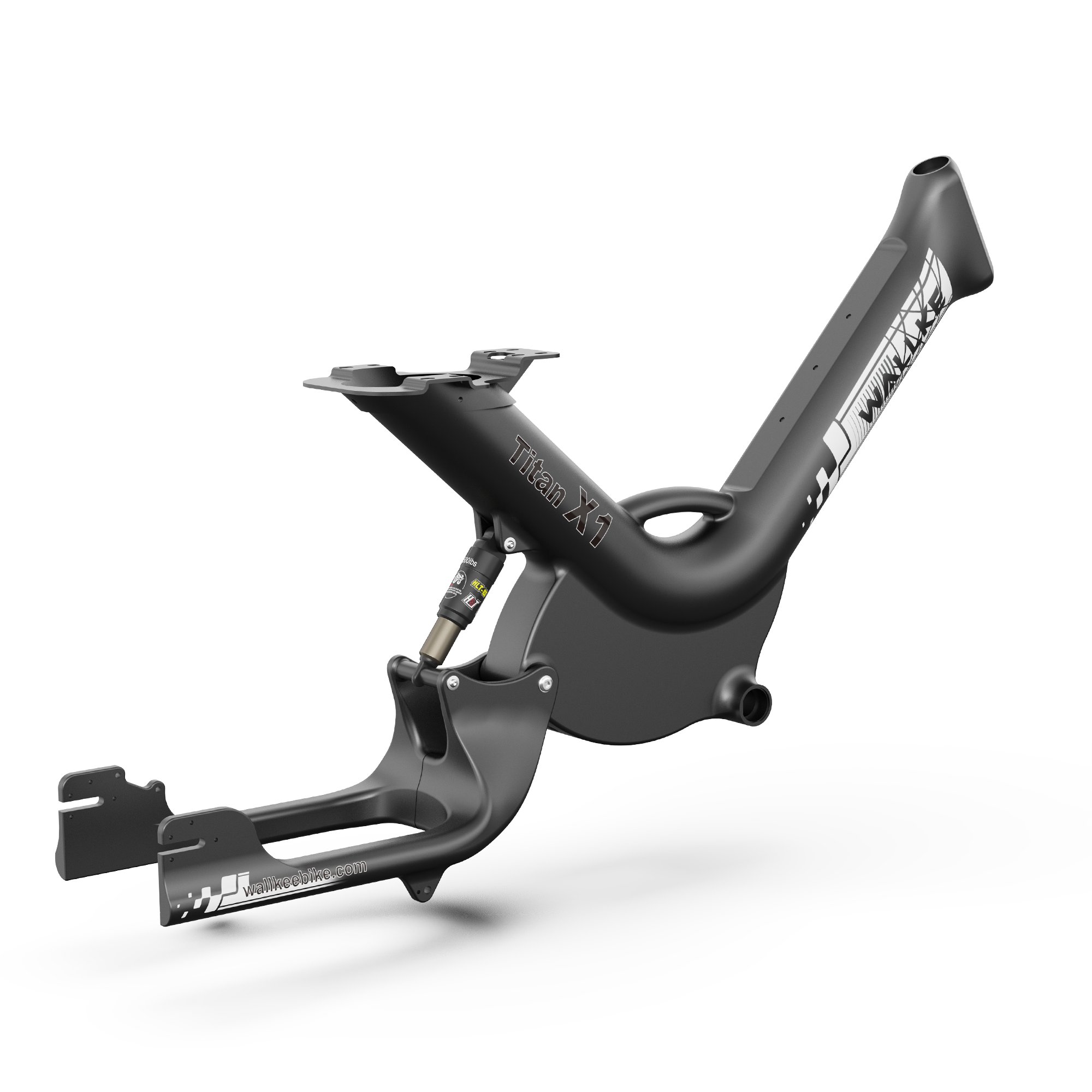
Frame
Peak Motor
Top Speed
Tire Size
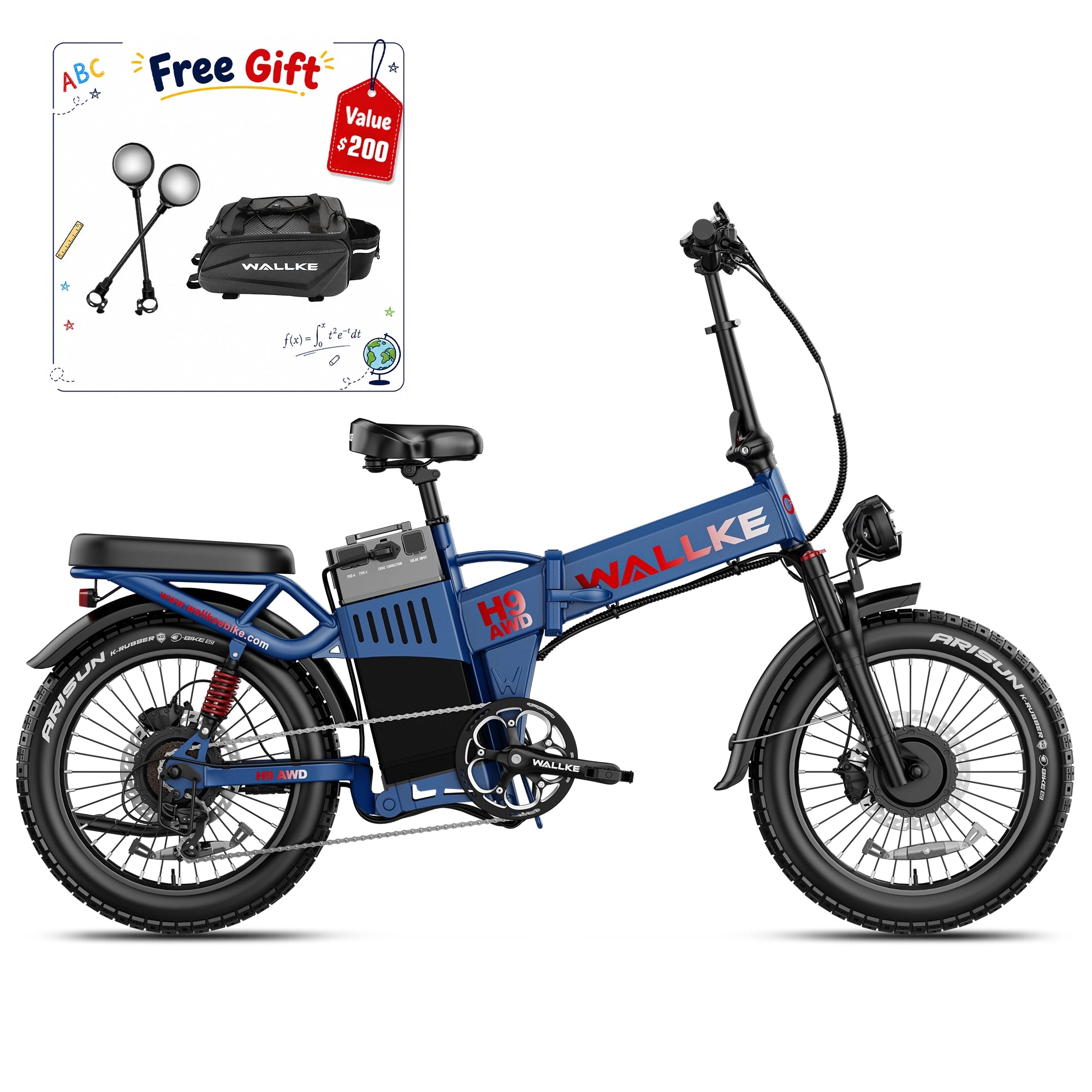
Off-Grid Power Station

Battery
Sensor
Top Speed
Tire Size
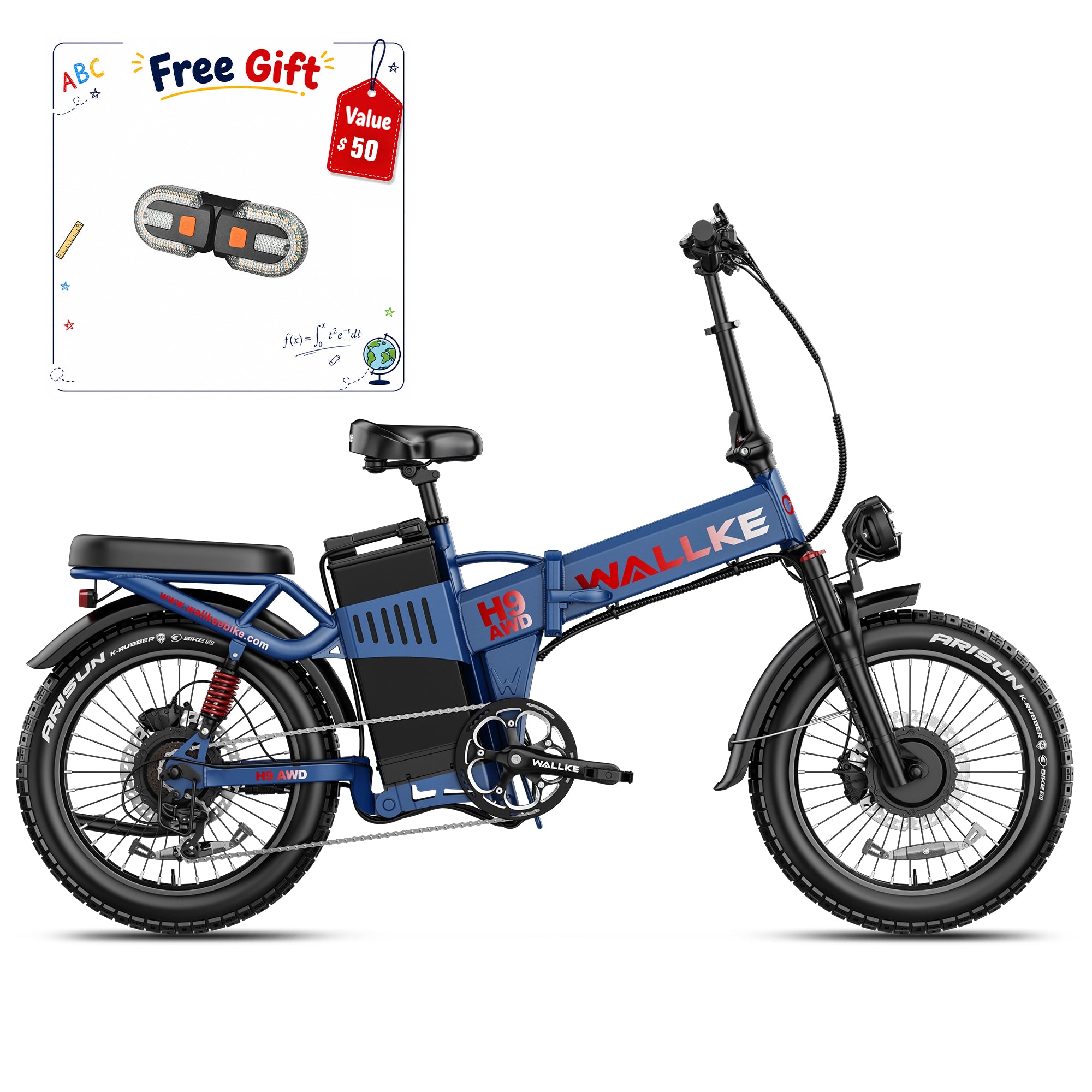
Fold. Power. Endure.
Battery
Top Speed
Peak Motor
Tire Size
Why Choose Wallke Electric Bikes?
Wallke electric bikes are built for riders who want more power, more range, and more confidence on every ride. Whether you are commuting through the city, climbing hills, exploring gravel roads, or riding off the beaten path, Wallke combines long range battery options, strong motor performance, and practical frame designs to help you ride farther with less effort.
Many Wallke e-bikes are designed with features riders look for in a capable electric bike, including dual motor power, AWD traction, hydraulic disc brakes, fat tire stability, and durable frames for daily use. For riders who need easier storage or mounting, Wallke also offers folding and step-through options, making it easier to find an e-bike that fits your lifestyle, terrain, and riding goals.
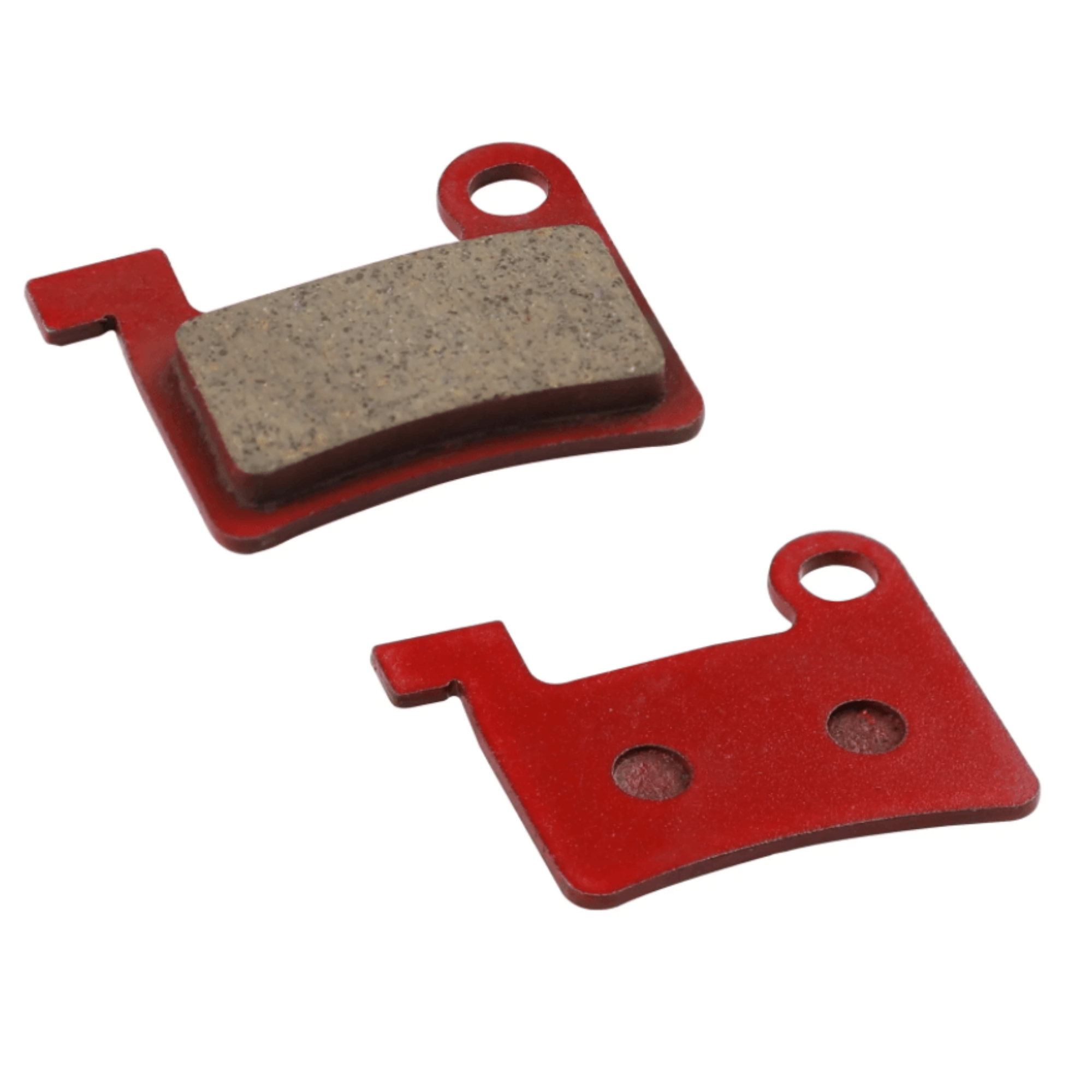
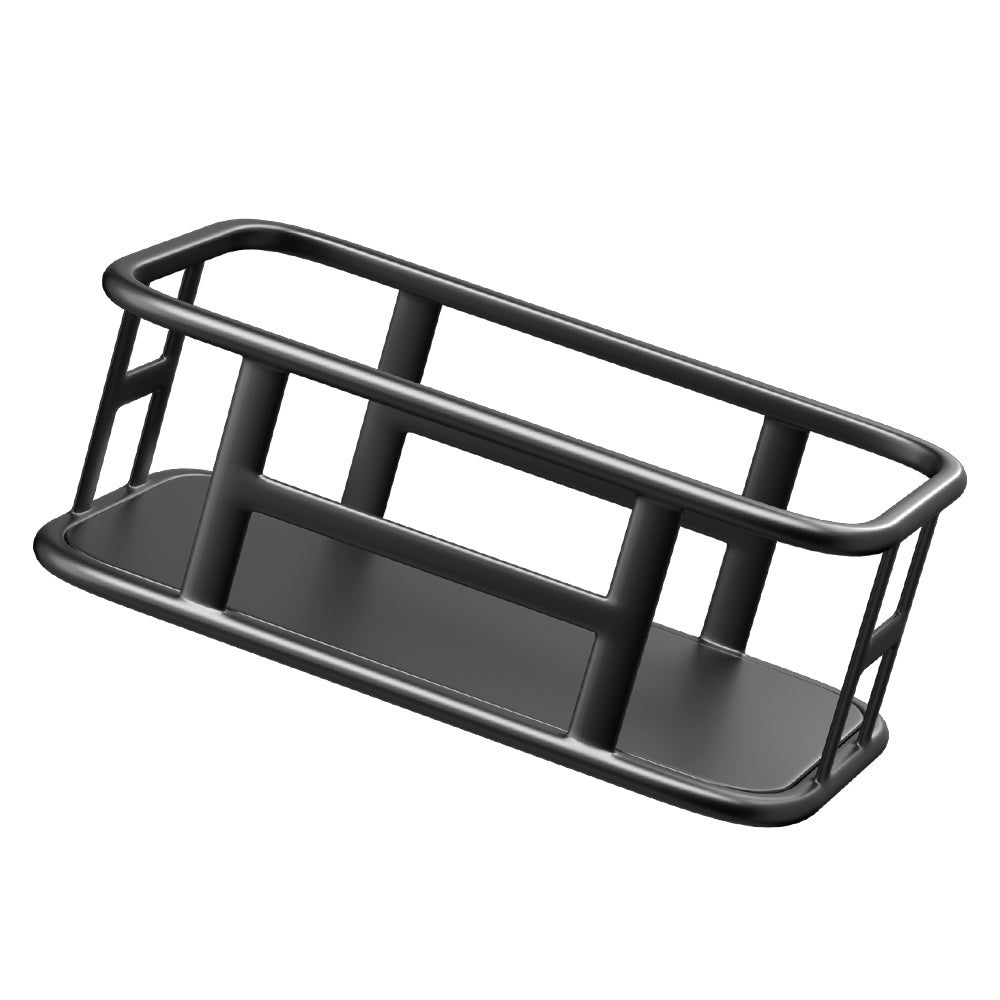
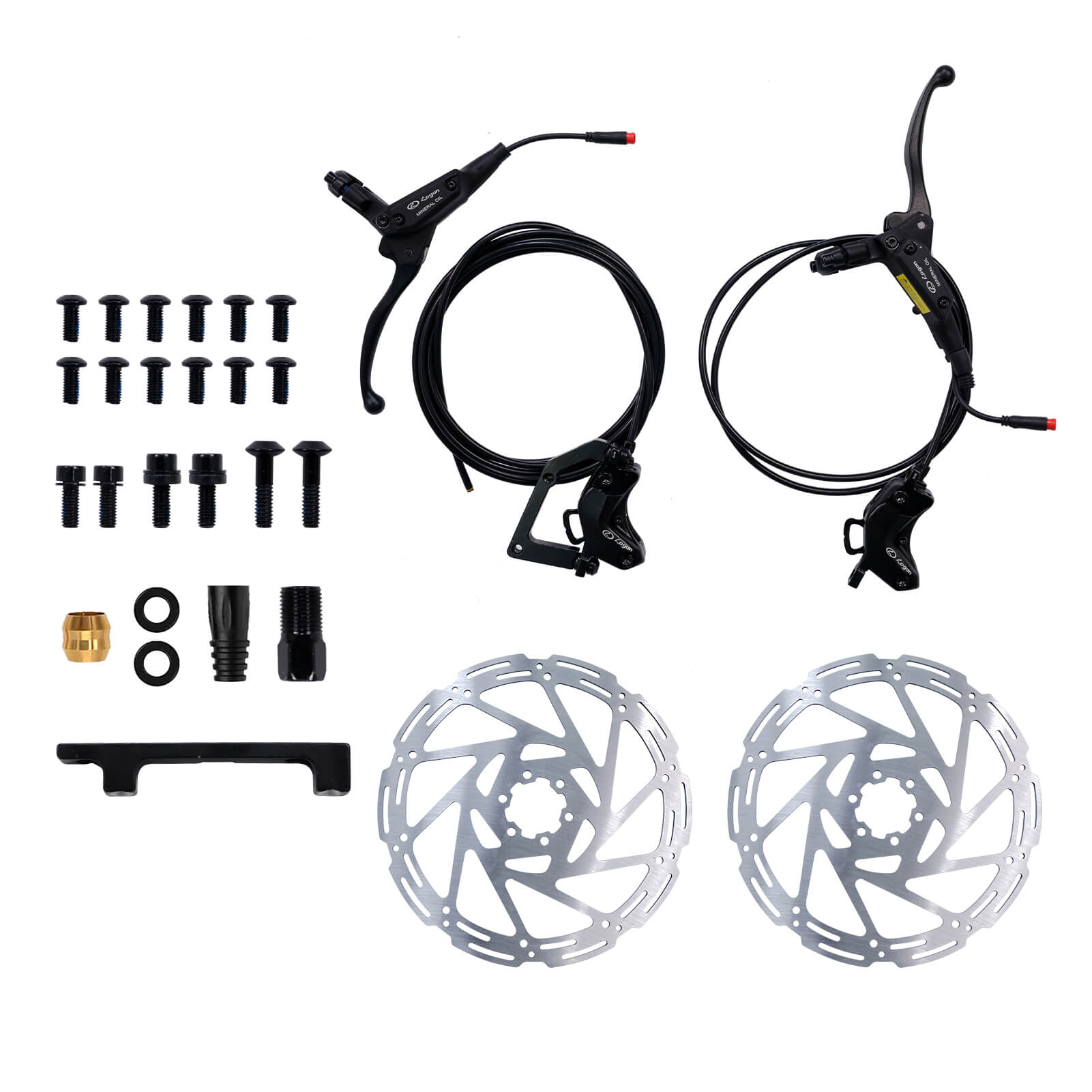
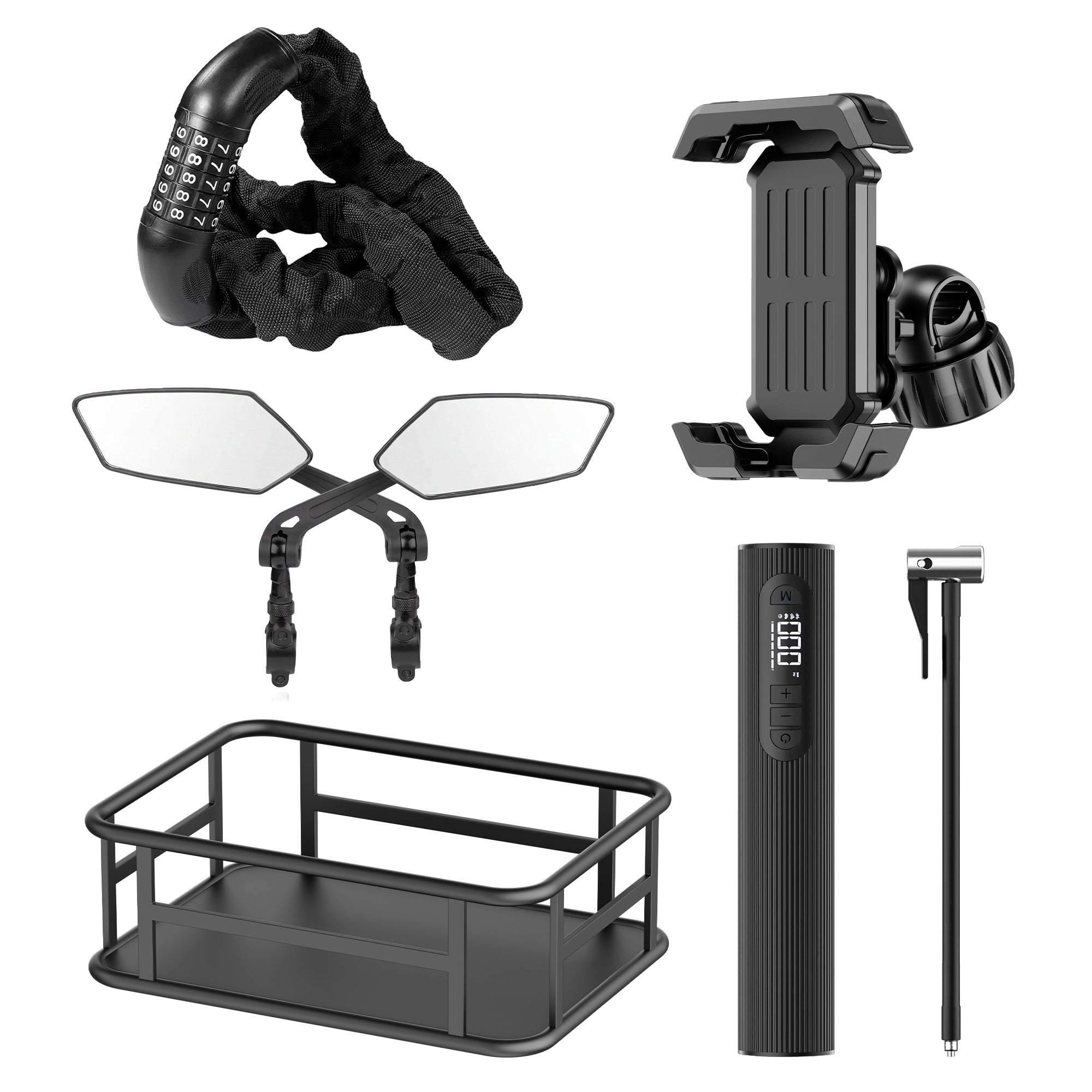
Bundle & Save Big
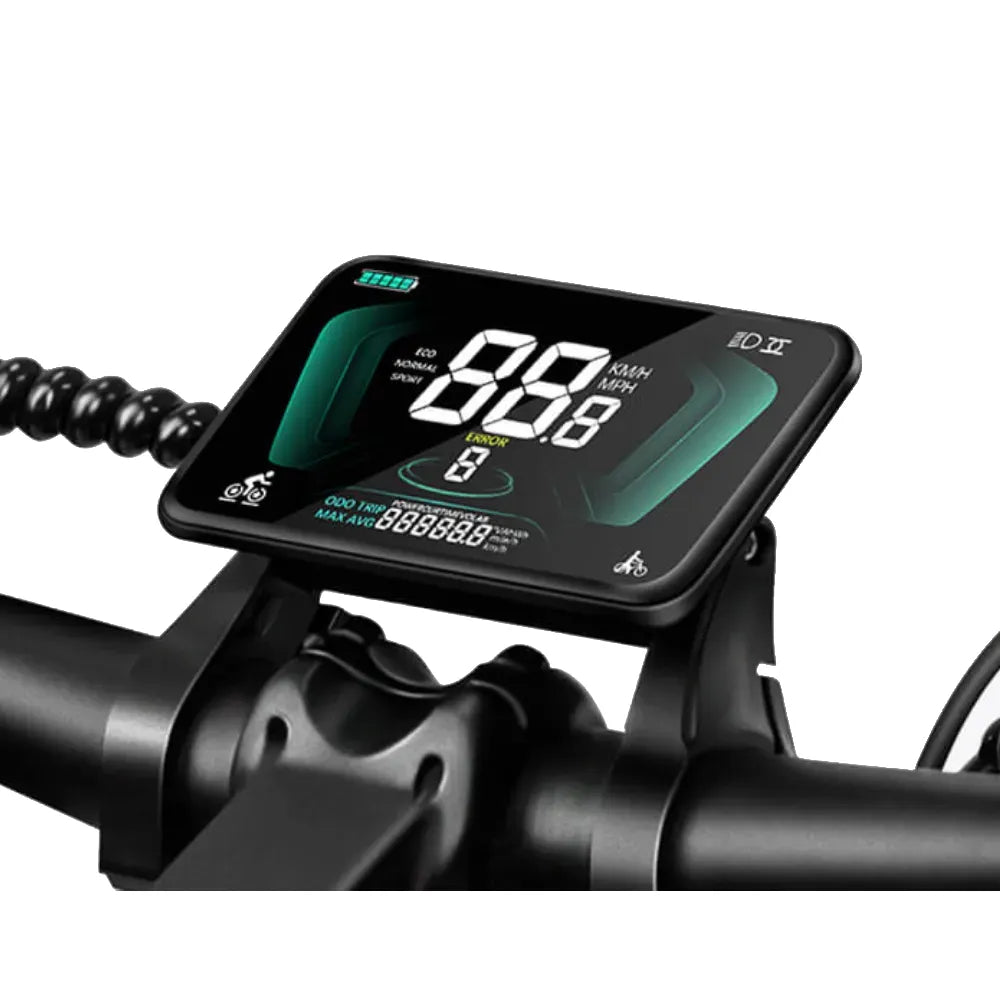
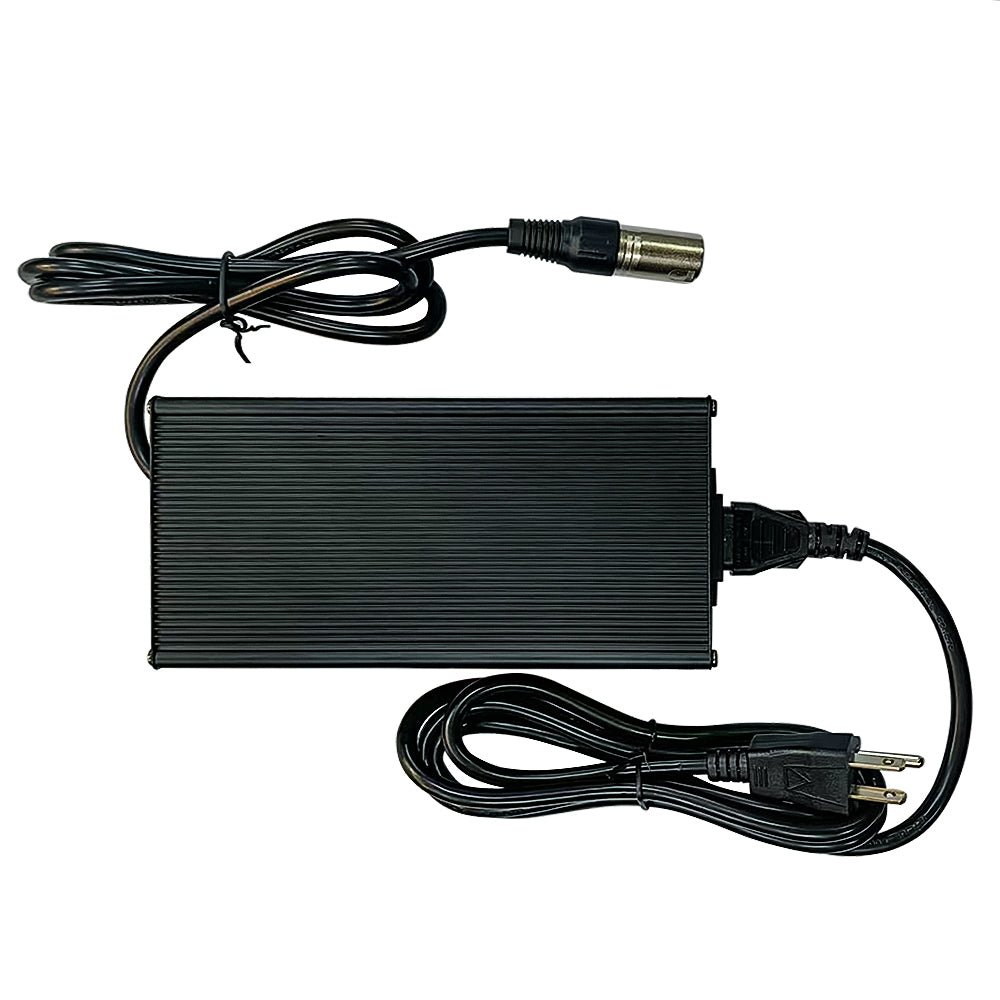
Safety Certified
In accordance with UL 2849

Test rides & service
Book a Test Ride and Explore Real Experiences with Our Ambassadors

Verified & Reviewed on Trusted Platforms
 Trustpilot 4.2★
Loved by Riders. Rated by Experience.
Trustpilot 4.2★ — Verified reviews from real riders worldwide. Authentic voices, real experiences.
 Google 4.2★
Top Quality Store on Google
WALLKE is recognized on Google for free shipping, 14-day returns, secure payments, and an exceptional shopping experience.
 Loox 4.7★
Verified Photo Reviews from Real Customers
4.7★ average rating from authentic Loox photo reviews — every image shared by verified WALLKE riders.
Expert Voices


Electric Bikes FAQ
Compare the specifications that directly affect comfort, performance, and everyday use. Important factors include frame style, battery capacity, estimated riding range, motor configuration, tire size, suspension, braking system, bike weight, payload capacity, dimensions, and storage requirements. Focus on the features that match your normal route and riding conditions rather than choosing a bike based on one specification alone.
Choose a frame style based on mounting comfort, riding position, storage space, and transportation needs. A lower-entry frame can make getting on and off the bike easier, while a traditional step-over frame may provide a more familiar riding position. A folding frame can be useful when you need to store the bike in a smaller space or transport it in a vehicle. Check the dimensions and recommended rider fit on each product page.
The right battery capacity depends on your typical riding distance, terrain, speed, rider weight, cargo, weather, tire pressure, and level of motor assistance. Riders with longer routes or fewer charging opportunities may benefit from a larger battery. Keep in mind that real-world range can differ from estimated range, so compare models using similar riding conditions and allow extra capacity for hills, wind, and colder weather.
Electric bikes can be suitable for commuting, errands, recreational rides, and other regular trips when the model matches the rider and route. For everyday use, consider comfort, braking performance, battery access, charging convenience, carrying capacity, storage space, and the road or surface conditions you encounter most often.
Review the specifications on each Wallke product page and compare frame style, battery options, motor configuration, tire size, suspension, braking system, dimensions, bike weight, payload capacity, and recommended riding use. A comparison table can help you narrow the choices before reviewing the full specifications and current configuration of each model.
Confirm the exact model and configuration, frame dimensions, bike weight, payload limit, battery specification, included components, and current product details. You should also review the applicable shipping, assembly, returns, warranty, replacement-part, and customer-support information before completing your purchase.
Start with how you expect to use the bike. Consider your normal trip distance, terrain, hills, road surface, storage space, carrying needs, preferred riding position, and how often you plan to ride. Then choose a model whose frame, battery, tires, braking system, dimensions, and overall design support those needs. The best choice is the bike that fits your regular riding situation, not necessarily the model with the largest numbers on the specification sheet.
Fuel Your Curiosity